|
What are "Sustainable Building Solutions"? Sustainable Building Solutions negatively impact the planet, people, plants and the climate. Did you know that buildings are the number source of all greenhouse gas emissions?!? Sustainable Building Solutions' homes and buildings are designed to last up to 10 times longer than traditional buildings and homes, use 60% to 75% less energy, as compared to traditional homes and commercial buildings. We believe "the future belongs to the sustainable" and why we believe that the "Net Zero Energy Home" and "Net Zero Energy Building" will soon be the norm.
Sustainable
Building Solutions homes
and buildings are virtually:
Sustainable
Building Solutions The Best Site Available for Sustainable Building Solutions!
Sustainable
Building Solutions The Best Site Available for Sustainable Building Solutions
www.SustainableBuildingSolutions.com
Advertising inquiries may be
directed to
info@SustainableBuildingSolutions.com
What is Sustainable Urban Living? To provide an answer to what is Sustainable Urban Living, first requires that we understand the definition of what is the meaning of the word "sustainable" and what is the meaning of "sustainable development." To be "sustainable" means that we provide for today's societal needs and requirements without taking away resources from future generations. Much like the national debt of several trillion dollars - that keeps growing every year - that is never repaid, and that we are leaving behind for our children, and grandchildren - we need to be mindful of the resources we are consuming today, and do so in a way that does not take away from our children and grandchildren. "Sustainable
Development" seeks to integrate two important themes: that
environmental protection does not preclude economic development and that
economic development must be ecologically viable now and in the long run.
Common use of the term "sustainability" began with the 1987
publication of the World Commission on Environment and Development report,
Our Common Future. Also known as the Brundtland Report, this document
defined sustainable development as "development that meets the needs
of the present without compromising the ability of future generations to
meet their own needs." This concept of sustainability encompasses
ideas, aspirations and values that continue to inspire public and private
organizations to become better stewards of the environment and that
promote positive economic growth and social objectives. The principles of
sustainability can stimulate technological innovation, advance
competitiveness, and improve our quality of life. Sustainable Urban Living creates communities that are in balance and in harmony with the environment that have - as an objective - adhering to the goals and definition of sustainability.
Sustainable Urban Living integrates Mixed use Developments as a part of a community's Real Estate Master Plan, with an integrated transport system which uses buses, light rail, and with biking & hiking trails. Sustainable Urban Living plans for schools, parks and gardens, as well as alleviates problems associated with buildings that are not sustainable and prone to; fires, flooding earthquakes, tornados, hurricanes, termites and high energy costs. Sustainable Urban Living communities are power and energy independent by utilizing Renewable Energy Technologies such as anaerobic digesters, biomethane, biomass gasification plants, net zero energy, solar energy systems, solar power parks, wind power generation and recycling operations. A Sustainable Urban Living also seeks to integrate multi-generations that keep families intact by employing the use of "back-homes," granny-flats, casitas, and ohanas, as a small home in the back yard of the main home, where the grandfather and grandmother might someday retire to, and be near their children and grandchildren. Finally, Sustainable Urban Living communities seek to maximize both economic and environmental benefits that flow from these initiatives. The
Goals of our "Sustainable
Urban Living" or "Sustainable Urbanization" business
models and real estate developments include: The Six C’s of Sustainable Urbanization Cascadia's
bustling Mainstreet; New approaches to urbanization can save region's high
quality of life
What is a Comprehensive Master Plan? A
city or county's Comprehensive
Master Plan or "CMP" is best described as a vision of what
the city or county will look like over the next 20 to 50 years. The Comprehensive
Master Plan is an ever-evolving document that establishes a common
vision for what the city or county will look like in the future. The
CMP provides guidance for a variety of issues that directly affect the
quality of life for the citizens and residents of the city or county and
includes the creation of a sense of community in existing and new
developments, provisions for services, growth management, open space
protection, environmental protection, transportation and water, and
ever-increasing needs for including sustainable growth and how to become a
more sustainable city or county. The community vision contained in the Comprehensive
Master Plan guides
decision makers and helps to prioritize community values goals and
objectives. The Comprehensive Master Plan should be used as a guide for future growth and help improve the quality of life as well as all quality of life issues. Open
spaces and view corridors are of primary importance to the many
communities. While showing concern for a community's unique and natural
surroundings, the Comprehensive
Master Plan must also ensure a balance within the community and its'
businesses and residential tax base. Rural and urban growth issues should
be a constant and ongoing dialogue in the community. The general
background of the residents is such that transportation, communication and
cultural facilities are increasingly important and need to be integrated
into the evolving planning process. Conclusion
There
are many different definitions for describing a Real
Estate Master Plan. A well-thought-out Real
Estate Master Plan should provide the
client with: Many
times, a buyer will ask us to perform a feasibility study, which is the
first step to a more formal Real
Estate Master Plan, and they think they have a great price on a parcel
or tract. Without our expertise, the buyer may have actually overpaid for
the parcel due to the environmental, planning/zoning, or other unknown
variables, and in reality the buyer thinking he was getting a great
bargain on 40 acres for the price of 10, was only able to use 5 acres out
of the 40 acres, for a real price 60 acres! Our feasibility studies
identify these hidden problems and negative attributes of specific
parcels, and helps the buyer discover the true value of the site as well
as its' future potential. Contact
us at (832) 1758
- 00272 an
initial no-cost evaluation and to learn more about how we may be able to
assist you with your new project - and help you avoid costly mistakes or
purchasing an inadequate site that cannot meet your goals and objectives. Our company offers "Sustainable Urban Living" products and services that include: Mixed Use Developments, Sustainable Architectural Designs for Buildings of the Future which will all be "Net Zero Energy." We provide master planning services for creating "Traditional Neighborhood Development" communities. We also offer Sustainable, Real Estate Master Planning and Real Estate Development services that incorporate our Sustainable Building Solutions through our turnkey Sustainable Building Technologies.
A Traditional
Neighborhood Development
(TND) is a human scale, walkable community with moderate to high residential densities and a mixed use core.
Compared with conventional suburban developments, TNDs have a higher potential to increase
modal split by encouraging and accommodating alternate transportation modes.
Traditional
Neighborhood Developments also have a higher potential for capturing internal trips, thus reducing vehicle miles traveled.
|
|
|||||
|
||||||
|
Traditional
Neighborhood Development can guide new development patterns that are
civic-oriented, pedestrian-friendly, economically vibrant, environmentally
sustainable, and evoke a unique sense of place. However, certain
principles that have been applied to New Urbanist developments across the
United States - such as Kentlands, Maryland; Celebration and Seaside,
Florida; and Stapleton, Colorado - will not meet the needs of most
communities in Massachusetts without modification. New England communities
have a long history that has already defined the form and fabric of
neighborhoods in important ways. |
|
|||||
|
Introduction to Traditional Neighborhood Development |
|
|||||
|
|
||||||
|
Traditional
Neighborhood Development is based on the principle that neighborhoods
should be walkable, affordable, accessible, distinctive, and in
Massachusetts, true to the significant historic context of each community.
Traditional
Neighborhood Development will not be appropriate for all neighborhoods
in all contexts, though. Many of the design criteria and standards of TND
can be applied to other development projects. However, not every
neighborhood is suitable for the density
required for a mixed-use TND development to succeed. While auto-oriented
strip malls and large-lot developments are fundamentally incompatible with
TND in their present condition. These types of locations represent prime
opportunities for conversion to Traditional
Neighborhood Development over the long term. Communities need to
carefully consider local real estate markets in order identify the most
viable locations for TND development. |
|
|||||
|
|
|
|||||
|
Success |
|
|||||
|
|
||||||
|
TND in New England
must be customized to each place so that the rich character of towns and
cities is strengthened, not fabricated, by Traditional
Neighborhood Development. As the birthplace of
the nation, the More than historic
relics, successful What are the basic Traditional Neighborhood Development guidelines? Generally, Traditional Neighborhood Development is neighborhood in scale, 10 to 15 acres in area based on the geometry of a 1/4–mile maximum walking distance. Open space is typically 10% to 20% of the area, and about 70%-80% of the area is devoted to residential blocks, with the remainder (approximately 10%) as mixed use with a focus on viable commercial space and civic functions. Traditional Neighborhood Development requires dense (e.g. quarter-acre and smaller lots) residential blocks in order to create an internally-oriented neighborhood with enough people to help support the commercial and civic functions. However, a larger market area is often necessary to support businesses and provide outside job opportunities for residents. Consequently, access is provided in multiple ways to provide that choice and opportunity. The regional transportation systems; trains, buses, and highways, are also connected to facilitate mobility. Beyond these basic requirements, Traditional Neighborhood Development principles can be modified to fit unique circumstances in each community. How and where
is Traditional
Neighborhood Development
working in Here are some ways
that TND is actually working in Large scale / Urban - Urban areas are usually characterized by a high degree of existing build-out, which makes it difficult to assemble raw land on which to build a new full-scale traditional neighborhood. However, some districts within the city, such as disinvested downtown neighborhoods and neighborhood surrounding academic institutions, can offer promising potential for TND. TND principles are also especially applicable to the development and redevelopment of large-scale housing projects (public and market-rate), mixed-use complexes, and failed shopping malls. Within suburban areas, large-scale vacancies – often caused by military base, airport, or strip mall closures – present great opportunities in which to introduce a Traditional Neighborhood Development. The greatest potential for TND in Massachusetts is in the repair of existing urban fabric. Infill and redevelopment of obsolete buildings present tremendous TND possibility Examples
of Large-scale / Urban Projects –
In Mid-scale / Suburban – Traditional Neighborhood Development is an alternative to and a means of combating the problems associated with suburban development. The suburbs are growing at a significantly faster pace than urban and rural areas, and this growth offers ample opportunity in which to apply TND. Important elements of local character or history in established residential or commercial areas should be incorporated into the TND to distinguish the location. Examples
of Mid-scale / Suburban Projects
–
Medium-scale projects that may have a more limited mix of uses can still
fulfill many of the principles of Traditional
Neighborhood Development. Woodbourne in Small-scale
/ Rural – Traditional suburban
development patterns have migrated into rural areas and TND is as
applicable in smaller towns as it is in suburban cities. Development
on Examples
of Small-scale / Rural Projects
-
Project Sites – TND’s are usually about 10 to 15 acres in size when done on a town scale. However, the incorporation of existing residential or commercial blocks into a TND means a project does not require a wholly undeveloped site, and the projects do not have to be completed by a single entity. The key is designing the new elements to fully connect with the old. Valuable TND projects may be infill development projects within existing downtown or neighborhood areas. Comprehensive Design Standards – Traditional Neighborhood Development neighborhoods are carefully designed to function in ways that provide a high quality of life. It is therefore important that local governments have the authority to regulate many design aspects and aesthetics. TND often involves local regulations govering a wide range of urban design choices – from façade and paving materials, to geometry and dimensions, to specific organization of uses. These should be specific to the community based on local design principles. The local history should be an important consideration in the design of TND projects as the resulting community–oriented design and complementary architecture will then provide for a strong sense of place. Diversity in Housing - The variety of types of housing units typical of Traditional Neighborhood Development gives people and households at all stages of life housing alternatives suited to their needs, thus providing stability to a community. The proper density of housing (typically very high) will also support the commercial and civic functions at the TND. Accessibility and Mobility – TND’s require local connectivity and access to all areas, but cannot stand alone. Consequently, along with bicycling, walking, and vehicle access, TND’s should provide additional access with choices including public transit. Trains and buses provide transit options, but must be considered along with regional highway access. Zoning Creation Process for Traditional Neighborhood Development Because of the complexity of these projects, the recommendation is to follow three steps in the creation of the TND zoning:
The recommended first step in crafting Traditional Neighborhood Development regulations is to define the community's approach through the adoption of principles and objectives for TND. The Traditional Neighborhood Development principles and objectives of particular importance are:
More on these design principles can be found within the Model Bylaw. The purpose of a charrette is to solve a design-related problem facing a community. The public is invited to attend and participate and the charrette process is best if facilitated by trained individuals. The typical agenda of the charrette is to first educate participants on the process, and then incorporate their contributions in order to verify decisions. A charrette usually lasts a few hours or even several days and culminates with the presentation of a final plan, which is a compilation of the best ideas offered during the charrette. The results of this process should then inform the drafting of the bylaws. The Traditional Neighborhood Development zoning bylaws may include three different types of regulatory standards to accomplish the design principles; Performance Standards, Design Guidelines, and Form-based standards. Unlike prescriptive standards, Performance Standards present a specific statement of intent and the development must show how it meets that standard. These are typically used for environmental and management and mitigation of land use impacts. Design Guidelines can specify allowable architectural styles, building materials, colors, building heights, landscaping, and can also require diversity in the styles, including architectural and landscape design. Form-based zoning refers to the idea of identifying the form of the built environment based on the context of the physical surroundings or district, but not strictly regulating the allowed uses, which may otherwise be defined in the underlying zoning. Form-based zoning creates the physical context, Design Guidelines allow for more granular control of the built elements, and Performance Standards ensure the best management of the land and built environment. However, in many cases traditional dimensional and prescriptive standards may be used in place of these newer types of regulations, as local preference requires. Traditional
Neighborhood Development
advances several of the Patrick
Administration's Sustainable
Development Principles, including: • Concentrate Development and Mix Uses: Traditional Neighborhood Development increases development densities within the village or town center to promote the ability to work, shop, and live in one neighborhood and provides economical opportunities for mixed use redevelopment of existing properties. In addition, TND is compact, encourages reuse and rehabilitation of existing infrastructure, conserves land, integrates uses, and fosters a sense of place. It creates walkable districts mixing commercial, civic, cultural, educational and recreational activities with open space and housing for diverse communities. • Protect Land and Ecosystems: Traditional Neighborhood Development protects land in two ways; first by providing development opportunities that do not impact "greenfields" and second by providing economical redevelopment that allows for the correction of existing site deficiencies. TND increases the quantity, quality, and accessibility of open space, expands land and water conservation and promotes development that respects and enhances the region's natural resources. • Use Natural Resources Wisely: Traditional Neighborhood Development encourages efficient use of land and promotes buildings and infrastructure that uses land, energy, water and materials efficiently. • Expand Housing Opportunities: By linking commercial development in the district to the provision of rental and affordable housing opportunities, Traditional Neighborhood Development supports the construction and rehabilitation of housing to meet the needs of people of all abilities, income levels and household types. TND coordinates the provision of housing with the location of jobs, transit and services and fosters the development of housing, particularly multifamily, that is compatible with a community's character and vision. • Provide Transportation Choice: By improving pedestrian facilities in the village and increasing the viability of transit by increasing residential density, TND maintains and expands transportation options, in all communities, including land- and water-based public transit, bicycling, and walking. • Increase Job and Business Opportunities: By providing for increased intensities of development and encouraging the creation of new jobs in the village center, Traditional Neighborhood Development attracts businesses with good jobs to locations near housing, infrastructure, water, and transportation options and supports the growth of new and existing local businesses. TND strengthens the growth of local businesses, in addition to supporting economic development in industry clusters, which are consistent with regional and local character. • Plan Regionally: By implementing recommendations found in the Town's Comprehensive Plan and the Regional Policy Plan, TND supports the development and implementation of local and regional plans that have broad public support and are consistent with sustainability principles. It also fosters development projects; land and water conservation, transportation and housing that have a regional or multi-community benefit.
|
|
|||||
|
Benefits to Community |
|
|||||
|
The purpose of Urban Land Use Planning is to help insure and optimize the social and environmental aspects of land-use. Urban Land Use Planning at the city and local levels is committed to the various public and private interests and based on the principle of the public interest.
|
|
|||||
Glossary |
|
|||||||||||||||||||||||||||||||||||||||
|
A
Livable
Neighborhoods Creating and Developing "Livable Neighborhoods" Since 1985
|
||||||||||||||||||||||||||||||||||||||||
|
Eliminate your Company's Carbon
Emissions www.BuildingIntegratedPhotovoltaic.com www.ConcentratedSolarPower.com www.ConcentratingSolarPower.com www.DirectHydrogenFuelCell.com www.DistributedSolarGeneration.com www.GreenhouseGasEmissions.com www.MoltenCarbonateFuelCell.com www.PhosphoricAcidFuelCell.com www.PowerPurchaseAgreement.com
|
Strategic
Partners and Architectural Firms Invited
To Join Us As We Expand our Net
Zero Energy Building
sm
Program Across the
U.S. and Canada:
Our Strategic Partners to be Featured with us at the
Leading Resource for Net
Zero Energy Building
sm
|
|
To
advertise
your company's Net
Zero Energy Building
sm
products or services here, call/email for rates:
Email: info@NetZeroEnergyBuilding.com
Our company offers "Sustainable Urban Living" products and services that include: Mixed Use Developments, Sustainable Architectural Designs for Homes of the Future, and Buildings of the Future. We provide master planning services for creating "Traditional Neighborhood Design" communities. We also offer Sustainable, Real Estate Master Planning and Real Estate Development services that incorporate our Sustainable Building Solutions through our turnkey Sustainable Building Technologies.
We believe "the future belongs to the sustainable." In fact, we believe our future depends on sustainability.
Question:
Do you know how
many trees were "harvested" (destroyed)
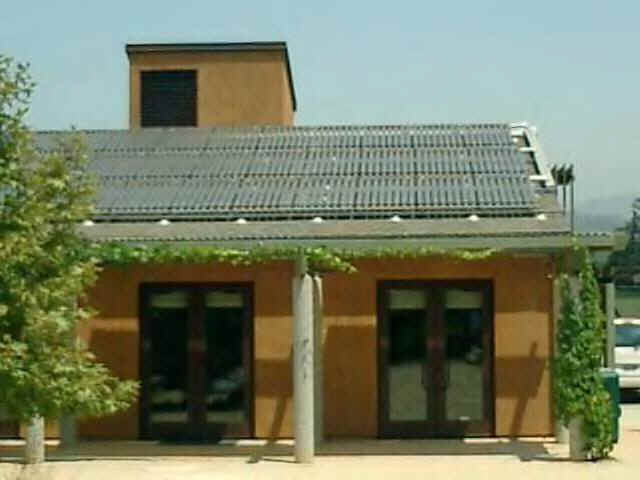
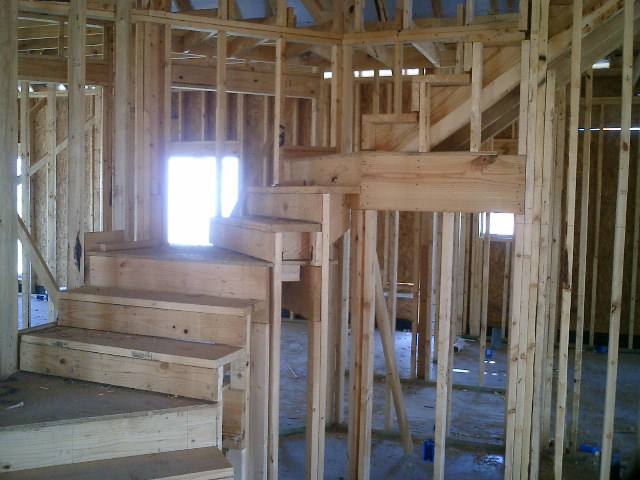
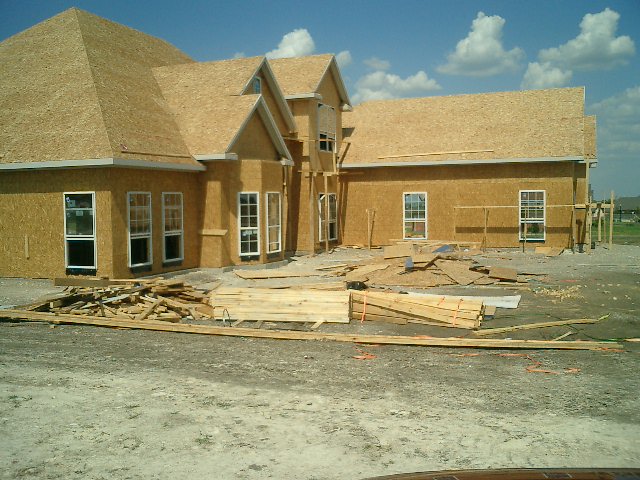
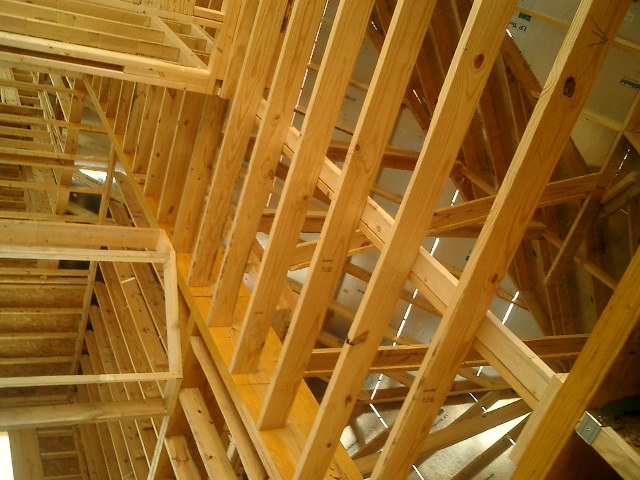
to build this one new house (below)?
Answer:
At approximately 3,400 square feet, this new house required 40 mature, full-growth
trees, that were previously growing on 2 acres of mature forests, to build this one new house.
BUILDING
HOMES LIKE THIS IS
NOT SUSTAINABLE!
Our "sustainable" homes and commercial buildings use 95% - 100% less wood and timber products, and use 75% to 100% less energy compared to non-sustainable homes and commercial buildings!
Our company is one of the leading companies that promotes and provides sustainable building design and planning solutions that absolutely minimizes the environmental impact for our new homes, commercial buildings and real estate developments. Companies and homeowners that adapt Sustainable Building Solutions, Sustainable Building Technologies, and Sustainable Architecture, are truly serving their client's, families and our nation's future.
There is a finite amount of natural resources, and as the supplies are reduced, their prices go up. Just look at the price of energy. Our country is in a precarious position as more than 50% of our nation's oil is imported. We have reached "peak oil" production, and as a result, the price of oil, as well as other energy substitutes such as natural gas - have sky-rocketed in the past 2-3 years. Since much of our electricity in the U.S. is made through simple-cycle and combined cycle power plants, that are fueled by natural gas, electricity prices have also sky-rocketed in deregulated states. Similarly, as a result of last year's hurricanes, particularly Katrina and Rita, the price of building materials (plywood, 2 x 4's, sheetrock, etc.) have markedly increased the past 12 months as well.
In the case of energy resources, once a new home or building is built, the owner of the new home, is essentially, "locked-in" and "captive" to the building's energy systems for the life-cycle of their new home or building. And so is that home or building's future owners. For example, a homeowner that built a new home just 10 years ago in Dallas, Texas, may have installed natural gas for the home's water heating, space heating, cooking, and clothes dryer. The rest of the home used electricity for all other energy requirements including air-conditioning, lighting, refrigeration, etc. But in the last 4 years, natural gas prices have increased from about $4.00/mmbtu (industrial price) $6.00/mmbtu (retail price) to over $12.00/mmbtu, with spot prices spiking to almost $20.00/mmbtu. And electric rates have nearly doubled in much of Texas. From January 2002 to January 2007, and after Texas' electric rates and utilities became "deregulated," TXU has raised their electric rates an incredible 82%! Texas now has some of the most expensive electric rates, with the "price to beat" in TXU areas (north Texas, which includes Dallas and Fort Worth) for residential customers at $0.15/kWh.
For these reasons, we incorporate Solar Cogeneration and Solar Trigeneration power and energy systems in our Net Zero Energy Buildings and Net Zero Energy Houses.
Our Sustainable Building Technologies conserve and preserve our environment by using up to 95% less timber, 50% to 70% less energy, and conserve natural resources, through sustainable design and construction technologies as compared to traditional homes and commercial buildings.
At
the heart of our Sustainable Building Solutions homes and commercial
buildings are; sustainable architecture
designs and Structural
Insulating Panels or Insulating
Concrete Forms. Our Net Zero Energy Buildings and Net
Zero Energy Houses made
from our SIPs that are virtually:
* Permanent and built to last over 100 years!
* 50% to 100% more efficient than typical homes or buildings. (This
translates into monthly
electric expenses of up to 100% less than what you are paying
now - that's right, complete
elimination of monthly electric expenses!)
* Fire-proof
* Mold-proof
* Termite-proof
* Storm-resistant
* Wood-free except for doors, cabinets and trim
Sustainable Architecture, Building Design and New Home and Commercial Building Construction Practices
Our own definition of "sustainable architecture" is: "Environmentally-friendly houses and commercial buildings, designed and built using sustainable building technologies, materials, and sustainable energy systems, which will not burden future generations with environmental and financial debts."
Why we need Sustainable Architecture as a Foundation for Building our New Homes and Commercial Buildings
The idea of sustainable architecture is not new. Countless numbers of homes and buildings that were built 200, 300 and even 500 years ago throughout much of Europe. They were built to last. They're cool in the summer and warm in the winter, without consuming massive amounts of electricity and energy.
The non-sustainable "cheap" homes and buildings that are now built, have significant and costly repercussions in terms of the home or commercial building's life-cycle costs. Our nation's demand for cheap, non-sustainable architecture, instead of utilizing sustainable architecture - is both the fault and responsibility of the architect customer.
The price of our past failures are now readily apparent, and it is time to create solutions!
The Cost to our Nation of NON-Sustainable Architecture
NON-sustainable architecture, like our country's national debt, has provided our country with cheap homes and commercial buildings that threaten our nation's safety, security, health and finances. They also consume and waste huge amounts of resources. From Florida to Louisiana, from New Hampshire to Oklahoma, and from California to Cancun, we have seen the results of our failure to design in a sustainable manner using sustainable methods and materials
Non-sustainable buildings (built in the standard, non-sustainable architectural and engineering methods)
of the world presently consume about:
According to the National American Homebuilder's Association, a typical, (non-sustainable) "stick-built" or wood-frame home was 2,085 square feet and required more than one acre of trees/forest! And the waste created during the construction of this typical home averages between 3 tons to 7 tons, for EVERY new house built!
In addition, this typical, non-sustainable home uses the following resources:
• 13,127 board feet of lumber
• 6,212 square feet of sheathing
• 2,085 square feet of flooring
• 14 tons of concrete
• 2,325 square feet of exterior siding
• 3,100 square feet of roofing material
• 3,061 square feet of insulation
• 6,144 square feet of interior wall material
• 120 linear feet of ducting
• 15 windows
• 13 kitchen cabinets and 2 other cabinets
• 1 kitchen sink
• 12 interior doors, 7 closet doors, 2 exterior doors, 1 patio door, 2 garage
doors
• 1 fireplace
• 3 toilets
• 2 bathtubs; 1 shower stall
• 3 bathroom sinks
• 68 gallons of paint and coatings
Sadly, the majority of new real estate developments (subdivisions) in United States are built on “greenfield” sites/land. Greenfields are land that was not previously developed or built on. Every new subdivision or real estate development displaces otherwise pristine and limited natural resources in the form of forests, grasslands, farms, pastures.
What are Green Buildings, Net Zero Energy Buildings and Net Zero Energy Houses?
“Green
buildings," like our Net Zero
Energy Buildings and Net
Zero Energy Houses are an environmentally-friendly way of designing, constructing,
and operating homes and buildings that increases a building's performance,
minimize environmental impact on our natural resources, and maximize the experience for people who work, live and play in these
homes and commercial buildings.
Green buildings (Net Zero Energy Buildings and Net
Zero Energy Houses) compared to Traditional "stick-built
Buildings and Houses:
* Are Sustainable
* Reduce energy consumption from the electric
grid and natural gas utilities
* Save and may actually produce more
green power and energy than they consume
* Minimize environmental-impact
* Minimize waste
* Reduce
building materials and incorporate low-impact materials
* Protect the site and surrounding eco-system
* Save water
* Are healthier to live in
* Recycle existing building materials
The term "green buildings" are often used interchangeably with "sustainable,"
"high performance," and "healthy
buildings and houses." Eco-housing, green development, sustainable design, sustainable architecture, sustainable
building solutions, Net
Zero Energy Buildings, Net
Zero Energy Houses environmentally sound housing, and green buildings are all terms and
definitions that seek to achieve similar goals. The Rocky Mountain Institute, in its "Primer on Sustainable Building", flexibly describes this
sustainable architecture as "taking less from the Earth and giving more to people." In practice, "green" housing varies widely. It can range from being energy efficient and using nontoxic interior finishes to being constructed of recycled materials and completely powered by
Solar Energy Systems such as photovoltaic
systems, solar thermal
collectors that include very efficient evacuated
tube collectors, and Solar
Cogeneration and Solar
Trigeneration power and energy systems.
Green buildings and sustainable development practices offer an opportunity to create environmentally sound and resource-efficient buildings by using an integrated approach to
design, planning and construction. Green building and sustainable development promote resource
conservation of our limited natural resources which includes energy efficiency, renewable energy, and water conservation. Green
building and sustainable development considers the environmental impact on
every new house or commercial building and also considers the life-cycle costs
and environmental impact of the new house or commercial building for its entire
"life-cycle." Therefore. waste minimization is also an important
consideration. Ultimately, green buildings and sustainable
development practices create a healthy and comfortable building and environment; reduces operation and maintenance
costs over the life-cycle of the building, conserves our limited natural
resources, considers access to public transportation and other community infrastructure systems. The entire life cycle of the building and its components
are considered, as well as the economic and environmental impact and performance.
We develop renewable energy projects, and specialize in solar power and energy project development. Our company provides the total, turnkey solar energy system "in-house." This means our capabilities and core competencies include solar project:
Our company provides the total, turnkey solar energy system design/engineering through installation, "in-house." This means we provide the following;
project identification
project analysis
design/engineering
finance (through investors and joint venture partners)
installation or construction
ownership (with PPA)
operations
maintenance and service or our solar energy systems
Our solar power and energy project development services and capabilities include multiple solar technologies, including;
for utility scale solar power plant applications.
And our Super High Efficiency Solar Cogeneration & Solar Trigeneration Energy Systems:
Solar Cogeneration Energy Systems
Solar Trigeneration Energy Systems
for commercial, government, industrial and municipal clients.
What
are "renewable energy resources?"
"Renewable energy resources" include;
Solar Power & Energy (for homes and businesses)
What is "carbon free energy?"
"Carbon free energy" is energy that is produced or generated without producing any carbon dioxide emissions.
Even nuclear power plants generate "carbon free energy."
Renewable energy technologies that are used in the production and generation of carbon free energy include;
Solar Desalination (Clean Water and Clean Power!)
Energy Efficiency Measures and Energy Conservation Measures such as Automated Demand Response and Demand Side Management and Energy Efficient Lighting, while not "generating" carbon free energy, provides significant increases in efficiencies, thereby reducing the overall need for energy, which may come from central power plants that are very inefficient and generate significant amounts of carbon dioxide emissions.
Even nuclear power plants generate "carbon free energy." These are just some examples of carbon-free renewable energy. The purpose of all these methods is to combat the increase in greenhouse gas emissions and reduce our impact on the environment as a whole.
What
is a Power Purchase Agreement?
A Power Purchase Agreement is a legal agreement wherein our clients agree to buy either the power
(electricity) or the power and energy (hot water, steam and/or chilled water for
air-conditioning) - or both - directly from us, for a term of 10 to 20 years, where we have
installed, own and operate our solar energy systems.
In
nearly every case, once we have installed our solar
energy systems at our client's facility, we can immediately
reduce our (commercial) client's electricity expenses by 10% over what
they were paying for their power electricity from their electric utility.
The
right Power Purchase Agreement,
solar
cogeneration or solar
trigeneration energy solution, may save your company
hundreds of thousands, and possibly millions of dollars over the term of the
agreement.
Simultaneously, having the wrong or poorly drafted PPA can cost your company thousands or millions of dollars. You wouldn't consult a brain surgeon to treat your child's broken bone! Selecting the wrong attorneys, law firm or team to promulgate or re-negotiate your Power Purchase Agreement can leave you "powerless" and penniless - and still requiring the skills and expertise of competent and qualified professionals to resolve the situation.
Because a Power Purchase Agreement is at the "heart" and underlying foundation of our projects, we can help your business with the selection and oversight of PPA's.
We can help your city or community create a Municipal Utility District or Public Utility District that may then qualify for our very competitively priced energy and electricity rates. Now is the time for cities, municipal and governmental clients to consider having our company install one of our renewable power and energy systems that will generate "clean" power and energy, lower costs, and avoid the coming electricity shortages and grid congestion problems!
Products and services provided by us include the following power and energy project development services:
Project Engineering Feasibility & Economic Analysis Studies
Engineering, Procurement and Construction
Environmental Engineering & Permitting
Project Funding & Financing Options; including Equity Investment, Debt Financing, Lease and Municipal Lease
Shared/Guaranteed Savings Program with No Capital Investment from Qualified Clients
Project Commissioning
3rd Party Ownership and Project Development
Long-term Service Agreements
Operations & Maintenance
Green Tag (Renewable Energy Credit, Carbon Dioxide Credits, Emission Reduction Credits) Brokerage Services; Application and Permitting
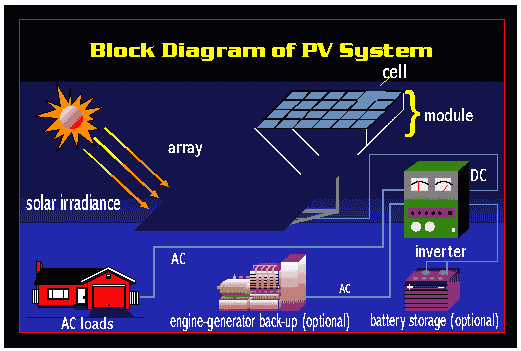
A Solar Power Purchase Agreement (SPPA) is a financial arrangement in which a third-party developer owns, operates, and maintains the photovoltaic (PV) system, and a host customer agrees to site the system on its roof or elsewhere on its property and purchases the system’s electric output from the solar services provider for a predetermined period. This financial arrangement allows the host customer to receive stable, and sometimes lower cost electricity, while the solar services provider or another party acquires valuable financial benefits such as tax credits and income generated from the sale of electricity to the host customer.
With this business model, the host customer buys the services produced by the PV system rather than the PV system itself. This framework is referred to as the “solar services” model, and the developers who offer Solar Power Purchase Agreements are known as solar services providers. Solar Power Purchase Agreement arrangements enable the host customer to avoid many of the traditional barriers to adoption for organizations looking to install solar systems: high up-front capital costs; system performance risk; and complex design and permitting processes. In addition, Solar Power Purchase Agreement arrangements can be cash flow positive for the host customer from the day the system is commissioned.
Figure 1 below illustrates the roles of all participants in a Solar Power Purchase Agreement.
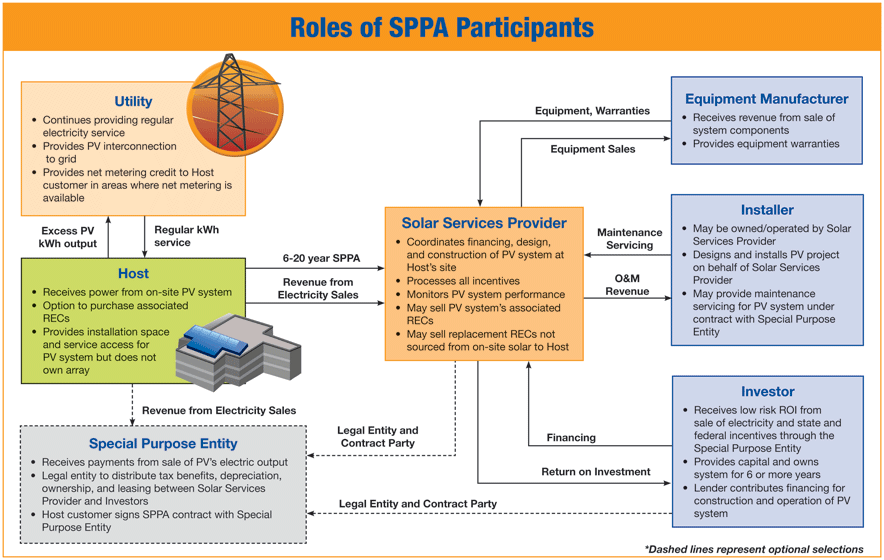
A host
customer agrees to have solar panels installed on its property,
typically its roof, and signs a long-term contract with the solar services
provider to purchase the generated power. The host property can be either owned
or leased (note that for leased properties, solar financing works best for
customers that have a long-term lease). The purchase price of the generated
electricity is typically at or slightly below the retail electric rate the host
customer would pay its utility service provider.
Solar Power Purchase Agreement rates can be fixed, but they often contain an annual price escalator in the range of one to five percent to account for system efficiency decreases as the system ages and inflation-related costs increases for system operation, monitoring, maintenance, and anticipated increases in the price of grid-delivered electricity. A Solar Power Purchase Agreement is a performance-based arrangement in which the host customer pays only for what the system produces. The term length of most Solar Power Purchase Agreements can range from six years (i.e., the time by which available tax benefits are fully realized) to as long as 25 years.
The solar services provider functions as the project coordinator, arranging the financing, design, permitting, and construction of the system. The solar services provider purchases the solar panels for the project from a PV manufacturer, who provides warranties for system equipment.
The installer will design the system, specify the appropriate system components, and may perform the follow-up maintenance over the life of the PV system. To install the system, the solar services provider might use an in-house team of installers or have a contractual relationship with an independent installer. Once the Solar Power Purchase Agreement contract is signed, a typical installation can usually be completed in three to six months.
An investor provides equity financing and receives the federal and state tax benefits for which the system is eligible. Under certain circumstances, the investor and the solar services provider may together form a special purpose entity for the project to function as the legal entity that receives and distributes to the investor payments from the sale of the systems kWh output and tax benefits.
The utility serving the host customer provides an interconnection from the PV system to the grid, and continues its electric service with the host customer to cover the periods during which the system is producing less than the site’s electric demand. Certain states have net metering requirements in place that provide a method of crediting customers who produce electricity on-site for generation in excess of their own electricity consumption. In most states, the utility will credit excess electricity produced from the PV system, although the compensation varies significantly depending on state polices.
Some of the above information from the Department of Energy and Environmental Protection Agency with permission.
More about Power Purchase Agreements
A Power Purchase Agreement is "behind" almost every power plant. A PPA is a contract involving the generation and sales of electricity - which is normally developed between the owner of a power plant generating the electricity, and the buyer of the electricity. PPA's can be quite lengthy agreements that may exceed 100 pages in length and take several months to even 1-2 years to finalize.
The
basic information contained in a Power Purchase Agreement
include the
following items:
* Definitions
* Purchase and
Sale of Contracted Capacity and Energy (such as steam, hot
water and/or chilled water in the case of cogeneration and trigeneration
plants
* Operation of
the Power Plant
* Financing of
the Power Plant
* Guarantees of
Performance
* Penalties
* Payments
* Force Majeure
* Default and
Early Termination
* Miscellaneous
* T&C's
For
more information about Power Purchase
Agreements, call or e-mail us today.
Tel. (832) 758 - 0027.
Solar
Trigenerationsm
www.SolarTrigeneration.com
We install our Solar Trigenerationsm Energy Systems, for qualified commercial businesses, as well as cities, schools and government facilities with our Zero Up-front Cost program.
For some customers - based on their present location, utility company and electric rate - we are able to reduce their electric rate by 10%. Even more for other customers. Solar Trigenerationsm Energy System!
We provide the answers to your questions about solar power and energy!
Does your; business, city, school, or electric utility want a more sustainable solar power and energy solution?
Are you interested in transforming your facility, campus or building(s) to "Net Zero Energy"™ buildings?
Does your city or school have a problem with rising electricity and energy expenses, but not have the financial resources to provide the necessary updates and upgrades to make your buildings more efficient?
Maybe you have already decided to go solar, but you have a lot of questions, and don't know where to start. Call us, we have the answers to your solar questions.
What is the optimum solar solution? There are hundreds of companies in the solar power and energy industry..... Who do you call to help you with these questions to help you make the right decisions?
There's still more questions, that you may not have thought about..... which solar technology do you go with, and what is the return on investment?
Are there any solar rebates, refunds, tax credits or other incentives available?
What about investors that might be interested in owning/operating and maintaining our solar energy system under a Power Purchase Agreement?
You have numerous questions and need the answers to help in the decision-making process regarding the solar power and energy system you want to install. These decisions will have a long-lasting impact as the solar energy system that you install at your business or facility will probably be generating clean power for the next 40 to 50 years, if not longer! So, the decisions that you need to make now regarding your solar energy system will be a decision that will be either a long-term asset or a liability, depending on the equipment you select and who you choose to install it.
We can help cities, schools and commercial (and large residential) customers make the switch to solar!
And now, with our no up-front cost for our Solar Trigenerationsm Energy System, we can also transform your building(s) to a "Net Zero Energy Building"™ and many times, actually REDUCE your present energy expenses by 10%, and possibly more!
Examples of buildings/facilities where our Solar Trigenerationsm Energy Systems would benefit, include; universities, churches, data centers, shopping centers, schools, radio/television stations, food processing, warehouses, new real estate developments and subdivisions, and electric utilities - practically any commercial facility can be upgraded to one of our "pollution free power" systems featuring one of our solar energy systems, including our Solar Trigenerationsm system!
Call or email us, we can provide these answers. We are focused on providing the optimum solar energy systems for our clients. This begins with an initial review of your past 12 months energy/electrical bills. The next step would include a site visit which may include a Demand Side Management study and/or a Solar Feasibility Study which determines the optimum solar energy system for your facility or location. Once the optimum solar solution(s) are determined, we then have a blueprint to proceed that could include our installing one of our Solar Cogeneration™ or Solar Trigenerationsm energy systems. Or for a city, real estate development or subdivision, or an electric utility, one of our utility scale power plants which might be a Concentrating Photovoltaic, Concentrating Solar Power or High Concentration Photovoltaic power plants.
What is "Net Zero Energysm?"
Net
Zero Energysm - when applied to a home or commercial building, simply means that
the home or buildings generates as much power and energy as they consume, when measured on a
monthly or annual basis, and with an onsite, renewable energy system, such as
our
Solar Trigenerationsm Energy
System.
What is Net Energy Metering?
Net energy metering is used to measure a customer's total electric
consumption against that customer's total on-site electric generation. When
a customer's onsite generation of power exceeds the amount that they use, the customer's
solar energy system (or other renewable energy system) exports the extra electricity to the
grid. When the power requirements of the customer exceeds their onsite
generation of power, the customer imports the electricity they need from
electric grid. The customer pays the electric company for any extra power they
use over the amount they generate - OR - the customer receives a credit or
refund from the electric company if they exported more power to the grid, than
what they consumed.
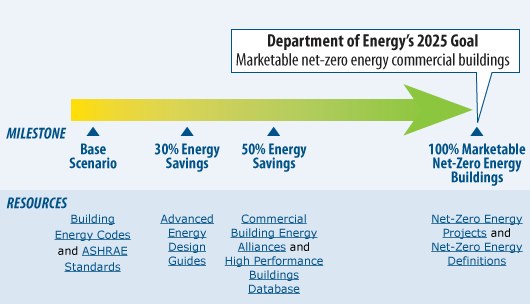
Much focus is placed on energy efficiency as the most cost-effective way to reduce energy use in commercial buildings. However, consumption can be reduced only so much. There is a point at which the cost of adding efficiency measures is higher than that of using renewable energy such as thin film photovoltaics and other solar energy systems.
Aggressive energy efficiency strategies can reduce a building's energy consumption by 50% to 70%. Renewable energy technologies must be used to reach the goal of a net-zero energy building (NZEB).
Various supply-side renewable energy technologies are available for Net Zero Energy Buildings. Supply-side technologies, often called energy producers, collect natural energy and transform it into a useful form. Examples of these technologies include PV, solar hot water, wind, hydroelectric, and biofuels.
All renewable sources are favorable over conventional energy sources such as coal and natural gas; however, the U.S. Department of Energy recommends the following ranking for these options (the lower numbers are preferable):
|
Option Number |
NZEB Supply-Side Options |
Examples |
|---|---|---|
|
0 |
Reduce site energy use through low-energy building technologies |
Daylighting, high-efficiency heating, ventilation, and air-conditioning equipment (HVAC), natural ventilation, evaporative cooling |
|
On-Site Supply Options |
||
|
1 |
Use renewable energy sources available within the building's footprint |
PV, solar hot water, and wind located on the building |
|
2 |
Use renewable energy sources available at the site |
PV, solar hot water, low-impact hydroelectric, and wind located on-site, but not on the building |
|
Off-Site Supply Options |
||
|
3 |
Use renewable energy sources available off site to generate energy on site |
Biomass, wood pellets, ethanol, or biodiesel that can be imported from off site; waste streams from on-site processes that can be used on-site to generate electricity and heat |
|
4 |
Purchase off-site renewable energy sources |
Utility-based wind, PV, emissions credits, or other "green" purchasing options; hydroelectric is sometimes considered |
This hierarchy is weighted toward renewable technologies within the building
footprint and site. Rooftop PV and solar water heating are the most applicable
supply-side technologies for Net
Zero Energy Buildings. Other supply-side technologies such as parking
lot-based wind or solar energy
systems may be available.
The goal in developing the ranking was to encourage technologies that:
Minimize overall environmental impact by encouraging energy-efficient building designs and reducing transportation and conversion losses
Will be available over the lifetime of the building
Are widely available and have high replication potential for future Net Zero Energy Buildings.
Solar
Trigenerationsm
www.SolarTrigeneration.com
Now, Your
Business Can Have Our Solar Trigeneration™
Energy System, installed for No
Up-Front Costs!
Through an affiliated partner company, we are now installing our Solar Trigeneration™ Energy Systems, for qualified commercial businesses, nationwide, with Zero up-front costs.
Some customers may even see a decrease in their energy expenses by as much as 10% to 20% with our Zero up-front cost Solar Trigeneration™ Energy System!
To qualify for our no up-front cost Solar Trigeneration Energy Systems, businesses must:
Have a good credit rating
Agree to buy all of the energy generated from the Solar Trigeneration™ Energy System through a 20 year Power Purchase Agreement
Other conditions may apply, depending on location, state or utility company you are presently buying power from.
We expect ALL of our customers will be very happy knowing that the clean, green, renewable power they are using is:
More reliable than the electricity from the power company.
Saving the environment by reducing Greenhouse Gas Emissions and helping reverse Climate Change and Global Warming.
Generated from their own reliable Solar Power System on their roofs.
Saving Money! At today's published electric rates at Southern California Edison, TXU, Reliant and Centerpoint, most of our customers will also enjoy a SAVINGS on their present electric bills by as much as 10% from what they are now paying for their electricity from the electric utility.
Under warranty.
At the end of the Power Purchase Agreement, the Solar Trigeneration™ Energy System is then offered for sale to our customers, for $1.00. And then their energy savings really start to add up as the power and electricity generated from their Solar Trigeneration™ Energy System is free!
Solar
Trigenerationsm
is Here!
Solar Trigeneration Provides (almost)
Any Building - with all of its
Cooling, Heating & Power Requirements. Solar
Trigenerationsm
is also the Greenest Way to
Cool, Heat and Power your Facility -
whether that's a Hospital, Data Center, Office Building or University
Campus
Commercial, Industrial & Utility Customers:
Reduce or COMPLETELY ELIMINATE
Your Electric Power & Natural Gas Expenses!
Stop
Paying High Utility Bills to the Electric and Natural Gas Companies!
Let us Show You How You
Can
"Cut the Cord" to the Electric Company!
Our
"Solar
Trigenerationsm" Power and Energy Systems
Generate Carbon Free Energy and
Pollution Free Power
Which is Sustainable, Clean, Renewable and Affordable
Solar Energy Systems provides cooler, cleaner, greener power and energy project development services. Our Solar Energy Systems are an environmentally-friendly and economically-superior choice to expensive natural gas and electricity. Additionally, our renewable energy technologies generate "green tags" or a Renewable Energy Credit.
We
provide
Solar
Power and Energy systems that we refer to as "EcoGeneration"
solutions that produce cooler, cleaner, greener power and energy for our
customers and our environment. Unlike most companies, we are equipment
supplier/vendor neutral. This means we help our clients select the best
equipment for their specific application. This approach provides our
customers with superior performance, decreased operating expenses and
increased return on investment.
Our company provides turn-key project solutions that include all or part
of the following:
Engineering and Economic Feasibility Studies
Project Design, Engineering & Permitting
Project Construction
Project Funding & Financing Options
Shared/Guaranteed Savings program with no capital requirements.
Project Commissioning
Operations & Maintenance
Green Tag/Renewable Energy Credit Application, and Marketing
Net
Zero Energy Buildings sm
www.NetZeroEnergyBuildings.com
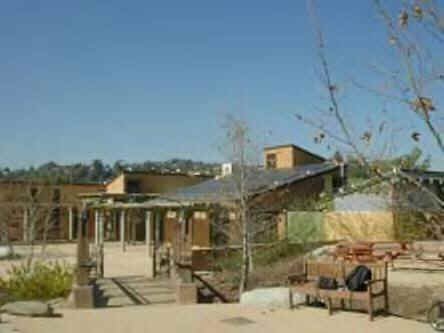
The Sun
Powers the Audubon Nature Center's Solar
Trigeneration
System at Debs Park in Los Angeles. The Audubon Nature Center's
building is one of the world's first "Net
Zero Energy Buildings."
The Solar
Trigeneration
System Consists of a 10 Ton "Solar
Absorption Cooling"
System
Matched with a Solar
Electric
Power System and a Solar
Water Heating System
By: Monty Goodell, MBA
www.SolarTrigeneration.com
Los Angeles, California
There
is now a better, more efficient, “pollution
free power” and "carbon
free energy" solution for cooling, heating and powering
homes and commercial buildings where solar energy is available.
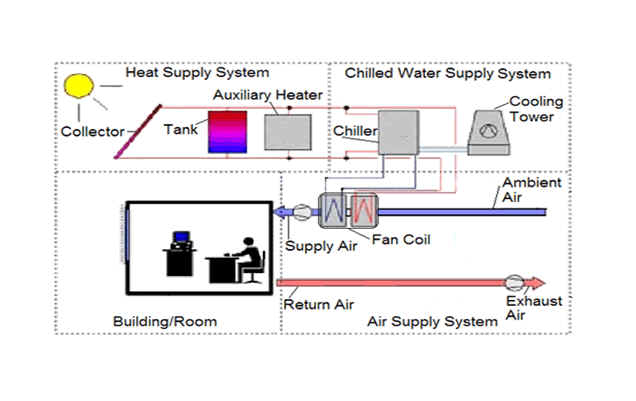
Solar Trigeneration is defined as the simultaneous generation of cooling, heating and power with only the free solar energy from the sun providing the "fuel".
Solar
Trigeneration is now
a reality at the Audubon
The Audubon Nature Center is totally powered by the sun’s energy and our Solar Trigeneration energy system!
The 5,300 square foot building operates entirely “grid-free” and without any electric connections to the electric grid, or natural gas connections – a truly sustainable power and energy solution.
Best
of all, the Audubon Center doesn’t rely on the over-burdened electric
grid or even natural gas. Therefore, the Audubon
Nature Center
NEVER receives an electric bill or
natural gas bill.... ever!
The
Audubon
Nature Center's 5,000 square foot
office and conference facility is powered by a Solar
Trigeneration
system that features a 25-kilowatt solar electric power system where the
energy is stored in a bank of batteries. The Center is cooled by a
10-ton solar
absorption cooling
system powered by an array of very efficient solar heat pipe vacuum tube
thermal collectors. The
collectors heat the water to temperatures of 200+ degree F stored in a
1,200 gallon insulated tank, another type of inexpensive battery. The Solar
Trigeneration
system at the Audubon not only provides the air-conditioning in the
summer but also heats the building in the winter, and provides the hot
water for the kitchen and bathrooms.
Absorption
chillers,
and cooling with solar energy with an absorption chiller are not new
technologies.
In fact, absorption chiller technology is over 70 years old.
The first refrigerators were powered by propane gas to run the
absorption chillers that used ammonia as a refrigerant.
Electricity and the electric compression chiller gained
popularity only because of the convenient “plug and play” appliance
and relatively cheap electric rates.
Electricity is no longer economically, or environmentally “cheap.”
History of Cogeneration and Trigeneration
Few people realize that the world's first commercial power plant, designed and built by Thomas Edison, was a cogeneration power plant that was first opened on Pearl Street, in Lower Manhattan, New York. That was in 1882! Edison not only generated, and sold electricity in the several blocks surrounding his "Pearl Street Station" but he also sold the hot water that was also generated from the cogeneration plant. The fuel Edison used for generating the electricity and hot water (cogeneration) came from "pulverized coal." The Pearl Street Station provided 110 volts of "direct current" power to 59 customers in lower Manhattan, around his Pearl Street laboratory.
Cogeneration is the simultaneous production of heat and power.
Trigeneration is the simultaneous production of cooling, heating and power.
Our company, in partnership with the Renewable Energy Institute and our affiliated partners, have perfected "Solar Cogeneration" and "Solar Trigeneration" which are the "heart" of our Net Zero Energy Buildings.
Unlike traditional cogeneration and trigeneration power plants that are fueled by natural gas - and Thomas Edison's cogeneration plant, which was fueled with pulverized coal, our Solar Cogeneration and Solar Trigeneration energy systems are fueled with the energy of the sun! And, while natural gas is a "cleaner" fuel, it still has its problems in that it is a limited resource and generates greenhouse gas emissions. Natural gas also have had extreme price swings and has a history of price volatility. Natural gas prices have gone from a high of $17.00/mmbtu to a recent low of under $3.00/mmbtu.
Regarding pulverized coal, yes, it's cheap in terms of the cost of generating electricity, but too many people forget about the "externalities" of pulverized coal that is not reflected in the "cheap" costs of generating electricity from pulverized coal. These costs not accounted for are the huge environmental cost relating to the use of pulverized coal. Pound for pound, pulverized coal and coal fired power plants generate more greenhouse gas emissions than any other fossil fuel. There are also the costs related to the health and safety issues of the miners that mine the coal. And, the costs to the environment in terms of the ever-increasing amounts of mercury that are "dumped" into the environment from coal fired power plants, is also not reflected in the "cheap" price of generating power from pulverized coal.
Unlike the problems inherently found with the use of fossil fuels, Solar Cogeneration and Solar Trigeneration have no such problems.
And talk about "cheap" costs of generating power and energy, there is nothing cheaper than free!!!!
The owners of the Audubon Nature Center never receive any monthly natural gas or electric bills!
And the owners of the Audubon Nature Center will never have to account for their greenhouse gas emissions, or comply with the ever-increasing regulations related to greenhouse gas emissions and the pending Cap and Trade laws..... thanks to our Solar Trigeneration energy system!
Solar
Trigeneration
is an EcoGeneration
solution. EcoGeneration
refers to a power and energy system that uses the “natural” energy
or fuel that is available for a specific site or location. Such energy
or fuel includes, solar, wind, BioMethane,
geothermal, and ocean power, including ocean tidal and ocean thermal
energy conversion. For
example, in the desert areas of the
Today,
the cause of the summer peak electric demand, electric supply problems,
and black-outs, are the result of the energy crisis in
Greater
Demands on California’s Limited Electric Supply, Lack of New Electric
Power Supplies, and This Summer’s Heat Wave are Compounding the
Problem Leading to the “Perfect Electric
Storm”
Many
people will remember the movie “The Perfect Storm” from several
years ago, when several storms came together in the northeastern part of
the
The
most likely time of year for a black-out in
How
Do We Prevent the “Perfect Electric Storm” from Occurring
in California and Other Regions in the U.S.?
Another
major concern is how do we prevent the “Perfect Electric Storm” from
happening, like the Northeast Blackout several summers ago, especially
for people living in the desert?
Governor
Schwarzenegger’s “Million Solar Roofs” program and the passage of
the 2005 Federal Energy Act will be the foundation to create a “Perfect Solar
Storm” to trigger the Solar Economy throughout California.
With
the threat of California’s seniors and elderly dying from heat
exhaustion due to power outages, black-outs, rolling black-outs and the
rising costs of electricity and natural gas, combined with the
continuing impact of global warming, the perfect solution is to create a
Solar Revolution by cooling, heating and powering the desert with solar
energy and technologies like Solar
Cogeneration or Solar
Trigeneration.
For
more information about Solar
Energy Systems, such as Solar
Cogeneration or Solar
Trigeneration,
call Monty Goodell at (832) 758 - 0027, or send an email to info@SolarTrigeneration.com.
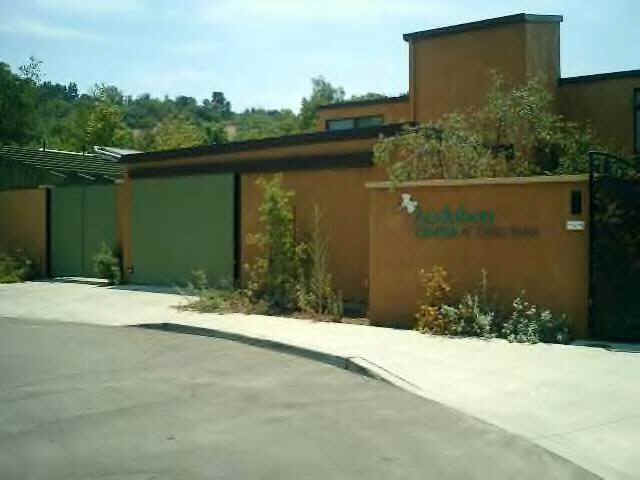
The Audubon Center's new Solar Trigeneration
power and energy system
makes this building a "Net Zero Energy Building"
The Audubon's Roof showing
the Solar
Thermal Collectors, part of the
Solar Trigeneration
power and energy system
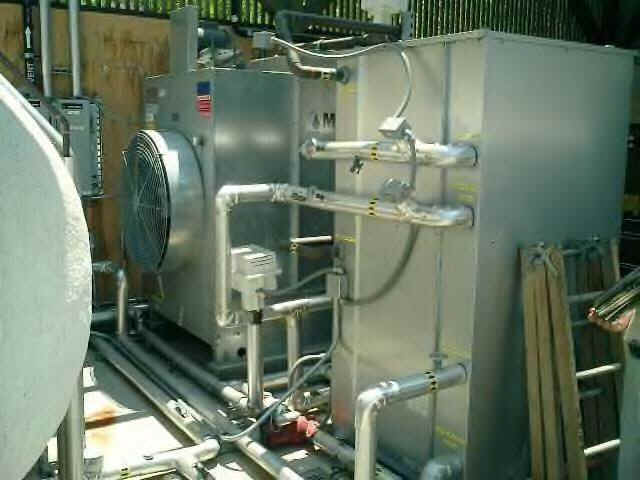
The heart of the Audubon's Solar Trigeneration
power and energy system
provides "free heating, cooling and domestic hot water," a
"net zero energy
building."
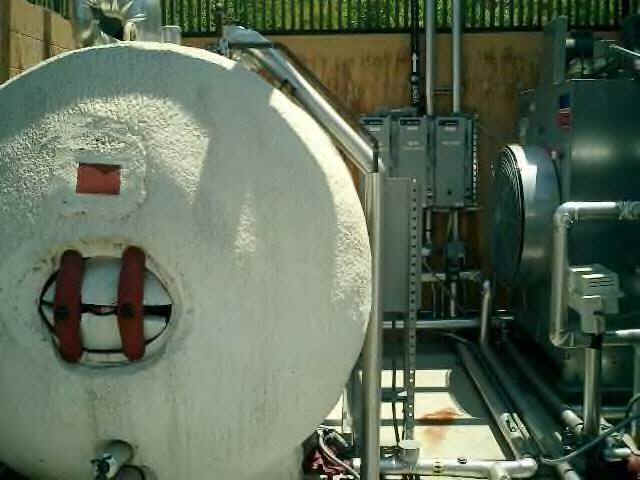
The hot water from the Solar Thermal Collectors
on the roof of the Audubon is pumped here for producing the building's
heating, cooling and domestic hot water.
Hot water is stored in the tank on the left for overnight.
_________________________________________________________________
Absorption Chillers
&
Adsorption Chillers
For Solar Trigeneration Applications
Absorption chillers
use heat instead of mechanical energy to provide cooling. A
thermal compressor consists of an absorber, a generator, a pump, and a
throttling device, and replaces the mechanical vapor compressor.
In
the chiller, refrigerant vapor from the evaporator is absorbed by a
solution mixture in the absorber. This solution is then pumped to the
generator. There the refrigerant re-vaporizes using a waste steam heat
source. The refrigerant-depleted solution then returns to the absorber via
a throttling device. The two most common refrigerant/ absorbent mixtures
used in absorption chillers
are water/lithium bromide and ammonia/water.
Compared
with mechanical chillers, absorption chillers
have a low coefficient of
performance (COP = chiller load/heat input). However, absorption chillers
can substantially reduce operating costs because they are powered by
low-grade waste heat. Vapor compression chillers, by contrast, must be
motor- or engine-driven.
Low-pressure,
steam-driven absorption chillers
are available in capacities ranging from
100 to 1,500 tons. Absorption chillers
come in two commercially available
designs: single-effect and double-effect. Single-effect machines provide a
thermal COP of 0.7 and require about 18 pounds of
15-pound-per-square-inch-gauge (psig) steam per ton-hour of cooling.
Double-effect machines are about 40% more efficient, but require a higher
grade of thermal input, using about 10 pounds of 100- to 150-psig steam
per ton-hour.
In
single-effect absorption chillers,
all condensing heat cools and
condenses in the condenser. From there it is released to the cooling
water. A double-effect machine adopts a higher heat efficiency of
condensation and divides the generator into a high-temperature and a
low-temperature generator.
Actions You Can Take
Determine
the cost-effectiveness of displacing a portion of your cooling load with a
waste steam absorption chiller by taking the following steps:
Conduct a plant
survey to identify sources and availability of waste steam
Determine cooling
load requirements and the cost of meeting those requirements with
existing mechanical chillers or new installations
Obtain installed
cost quotes for a waste steam absorption chiller
Conduct a life
cycle cost analysis to determine if the waste steam absorption chiller
meets your company's cost-effectiveness criteria.
The basic cooling cycle is the same for the absorption and electric chillers. Both systems use a low-temperature liquid refrigerant that absorbs heat from the water to be cooled and converts to a vapor phase (in the evaporator section). The refrigerant vapors are then compressed to a higher pressure (by a compressor or a generator), converted back into a liquid by rejecting heat to the external surroundings (in the condenser section), and then expanded to a low- pressure mixture of liquid and vapor (in the expander section) that goes back to the evaporator section and the cycle is repeated.
The basic difference between the electric chillers and absorption chillers is that an electric chiller uses an electric motor for operating a compressor used for raising the pressure of refrigerant vapors and absorption chillers use the heat for compressing refrigerant vapors to a high-pressure. The rejected heat from the power-generation equipment (e.g. turbines, microturbines, and engines) may be used with an absorption chiller to provide the cooling in a CHP system.
The basic absorption cycle employs two fluids, the absorbate or refrigerant, and the absorbent. The most commonly fluids are water as the refrigerant and lithium bromide as the absorbent. These fluids are separated and recombined in the absorption cycle. In the absorption cycle the low-pressure refrigerant vapor is absorbed into the absorbent releasing a large amount of heat. The liquid refrigerant/absorbent solution is pumped to a high-operating pressure generator using significantly less electricity than that for compressing the refrigerant for an electric chiller. Heat is added at the high-pressure generator from a gas burner, steam, hot water or hot gases. The added heat causes the refrigerant to desorb from the absorbent and vaporize. The vapors flow to a condenser, where heat is rejected and condense to a high-pressure liquid. The liquid is then throttled though an expansion valve to the lower pressure in the evaporator where it evaporates by absorbing heat and provides useful cooling. The remaining liquid absorbent, in the generator passes through a valve, where its pressure is reduced, and then is recombined with the low-pressure refrigerant vapors returning from the evaporator so the cycle can be repeated.
Absorption chillers are used to generate cold water (44°F) that is circulated to air handlers in the distribution system for air conditioning.
"Indirect-fired" absorption chillers use steam, hot water or hot gases steam from a boiler, turbine or engine generator, or fuel cell as their primary power input. Theses chillers can be well suited for integration into a CHP system for buildings by utilizing the rejected heat from the electric generation process, thereby providing high operating efficiencies through use of otherwise wasted energy.
"Direct-fired" systems contain natural gas burners; rejected heat from these chillers can be used to regenerate desiccant dehumidifiers or provide hot water.
Commercially, absorption chillers can be single-effect or multiple-effect. The above schematic refers to a single-effect absorption chiller. Multiple-effect absorption chillers are more efficient and discussed below.
Multiple-Effect Absorption Chillers
In single-effect absorption chillers, the heat released during the chemical process of absorbing refrigerant vapor into the liquid stream, rich in absorbent, is rejected to the environment. In a multiple-effect absorption chiller, some of this energy is used as the driving force to generate more refrigerant vapor. The more vapor generated per unit of heat or fuel input, the greater the cooling capacity and the higher the overall operating efficiency.
Double-effect absorption chillers uses two generators paired with a single condenser, absorber, and evaporator. It requires a higher temperature heat input to operate and therefore they are limited in the type of electrical generation equipment they can be paired with when used in a CHP System.
Triple-effect
absorption chillers can
achieve even higher efficiencies than the double-effect chillers. These absorption chillers
require still higher elevated operating temperatures that can
limit choices in materials and refrigerant/absorbent pairs. Triple-effect
chillers are under development by manufacturers working in cooperation
with the U.S. Department of Energy.
_______________________________________________________________________
What is "Copper Indium Gallium Diselenide?"
Copper Indium Gallium diSelenide (CuInSe2) is a material that provides an extremely high absorption of light ( 99%) to be absorbed in the first micron of the material. Copper Indium Gallium diSelenide is projected to be the revolutionary material that some are saying, could put typical "central" power plants and some electric utilities, out of business, as it will be much cheaper for customers to generate their own onsite power with Thin Film Photovoltaics made from these materials.
When additional small amounts of Gallium is added to Copper Indium diSelenide, this increases its' light-absorbing band gap, thereby making the solar panel more closely match the solar spectrum of the sun. This, in turn, increases the voltage and the efficiency of the Thin Film Photovoltaics solar panel.
Solar panels produced with Copper Indium Gallium diSelenide cells have reached efficiencies of more than 20% - which is much higher than the other Thin Film Photovoltaics.
Copper Indium Gallium diSelenide solar panels create more electricity from the same amount of sunlight than other Thin Film Photovoltaics panels. This translates into a higher conversion efficiency.
The conversion efficiency of Copper Indium Gallium diSelenide PV technologies is very stable over time, meaning its power output remains stable over many years, while the power output of many other PV materials can rapidly decline with time.
What are "Building Integrated Photovoltaics?"
Building Integrated Photovoltaics (BIPV) are solar energy systems that are integrated into a part of the building, that serve as the building's exterior or the building's skin.
Commercial buildings and facilities (including houses) that integrate their own solar power systems into the building's exteriors, are referred to as "power buildings."
The technology that makes this possible is "Thin Film Photovoltaics."
What are Thin Film Photovoltaics?
Without a doubt, the most exciting technology in the solar power industry is "Thin Film Photovoltaics." Thin Film Photovoltaics technology represents the next big thing in renewable energy and solar power as it integrates nanotechnologies into the production of solar photovoltaics.
According to the Department of Energy, the recent technological advances in thin film photovoltaics make this a very exciting time to be in the solar energy industry. These advances have led to many new developments in the components and manufacturing of thin film photovoltaics. This has made thin film photovoltaics cheaper to manufacture as they are also now easier to install since they are extremely versatile, flexible, bendable, and much lighter.
Thin film photovoltaics have led many to believe that as much as 50% of our nation's future power will be generated by "power buildings" that integrate "building integrated photovoltaics" or "BIPV" into the building's skin or exterior surfaces, that convert sunlight into "pollution free power" for use in the building. This also designates these buildings (and homes) as "Net Zero Energy Buildings" and make the option for going grid-free, or not connecting to the grid, a real possibility.
According to the Department of Energy, the market potential for printed electronics will grow into a $47 billion market by 2018. Thin film photovoltaics represents a significant portion of this market - and based on this heavily researched solar technology, thin film photovoltaics now represents a $20 billion/year industry in the U.S.
The solar PV panels produced under the thin film photovoltaics umbrella have the potential to produce power significantly cheaper power than today’s typical silicon-based PV panels. The panels are usually made in the form of a monolithic piece of glass, upon which various thin films are deposited, although a number of firms are working on depositing the materials on a substrate, such as stainless steel or plastic.
Types of Thin Film Photovoltaics – there are primarily three types of thin film photovoltaics and include:
Amorphous Silicon
Cadmium Telluride
Amorphous Silicon had the largest share of the thin film photovoltaics market through 2006. It has been researched for the longest period of time, may be the best understood material of the three and has been commercial for the longest. Cadmium Telluride has the remaining share and is growing.
Thin Film Photovoltaics Advantages over Crystalline Silicon Photovoltaics
Lower cost of production of the
Lower production facility cost per watt - CapEx
Uses as little as 1/500 of the amount used in standard silicon cells
Lower energy payback – amount of time until the product produces more energy than was utilized in its manufacture.
Produces more power/watt
Superior performance in hot and cloudy climates
Integrates seemlessly in homes and buildings – see Building Integrated Photovoltaics
Produces the lowest cost power
_______________________________________________________________________
We provide renewable energy engineering services and turnkey installations of our solar energy systems for commercial, municipal, government, schools and utility clients with projects located in the U.S., Canada Central America and the Caribbean. In many cases, we may also be able to provide project finance or investment.
Carbon Dioxide Emissions Consulting
Carbon Emissions Consulting & Solutions
Greenhouse Gas Emissions consulting
Renewable Energy Credit consulting
|
|||||
|
|||||
What is "Decentralized Energy"?
Decentralized Energy is the opposite of "centralized energy." Decentralized Energy energy generates the power and energy that a residential, commercial or industrial customer needs, onsite. Examples of decentralized energy production are solar energy systems and solar trigeneration energy systems.
Today's electric utility industry was "born" in the 1930's, when fossil fuel prices were cheap, and the cost of wheeling the electricity via transmission power lines, was also cheap. "Central" power plants could be located hundreds of miles from the load centers, or cities, where the electricity was needed. These extreme inefficiencies and cheap fossil fuel prices have added a considerable economic and environmental burden to the consumers and the planet.
Centralized energy is found in the form of electric utility companies that generate power from "central" power plants. Central power plants are highly inefficient, averaging only 33% net system efficiency. This means that the power coming to your home or business - including the line losses and transmission inefficiencies of moving the power - has lost 75% to as much as 80% energy it started with at the "central" power plant. These losses and inefficiencies translate into significantly increased energy expenses by the residential and commercial consumers.
Decentralized Energy
is the Best Way to Generate Clean and Green Energy!
How we make and distribute electricity is changing!
The electric power generation, transmission and distribution system (the electric "grid") is changing and evolving from the electric grid of the 19th and 20th centuries, which was inefficient, highly-polluting, very expensive and “dumb.”
The "old" way of generating and distributing
energy resembles this slide:
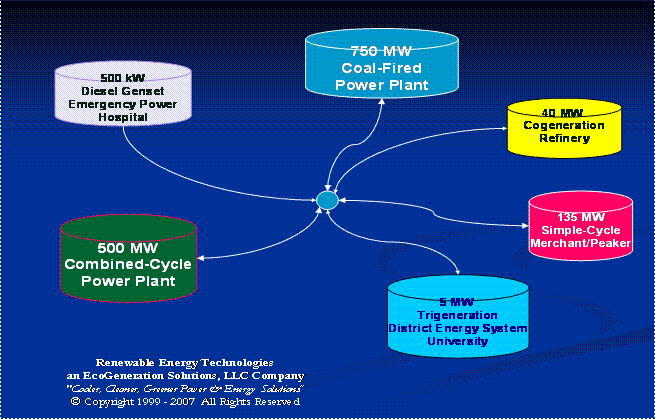
The electric grid of the 21st century (see slide below)
will be
Decentralized, Smart, Efficient and provide “pollution
free power” to customers who remain on the
electric grid. The electric grid of the future will be comprised of
Onsite Power
Generation plants fueled with Biomethane,
B100 Biodiesel, Geothermal, Synthesis
Gas, Wind & Solar power - located at Residential, Commercial, Industrial
and City/Municipal Locations.
Some customers will choose to dis-connect from the grid entirely. (Electric grid represented by the small light blue circles in the slide below.)
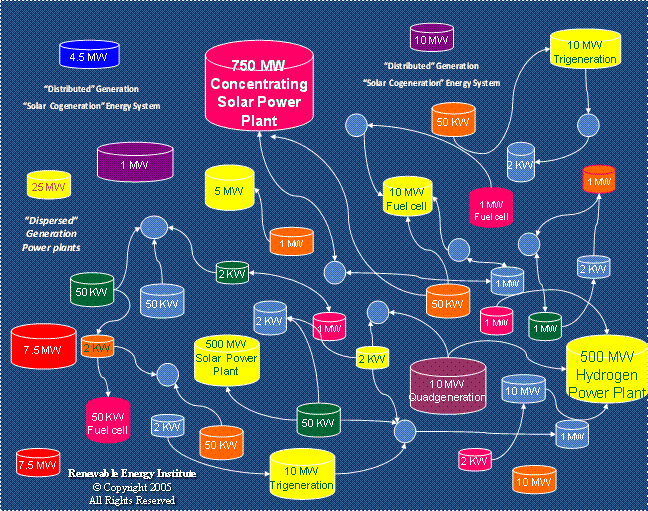
Typical "central" power plants and the electric utility companies that own them will either be shut-down, closed or go out of business due to one or more of the following: failed business model, inordinate expenses related to central power plants that are inefficient, excessive pollution/emissions, high costs, continued reliance on the use of fossil fuels to generate energy, and the failure to provide efficient, carbon free energy and pollution free power.
Carbon free energy and pollution free power reduces our dependence on foreign oil and makes us Energy Independent while reducing and eliminating Greenhouse Gas Emissions.
For more information, call us at: 832 - 758 - 0027
* Some of the above information from the Department of Energy website with permission.
_______________________________________________________________________
Amazing
Solar Fact!
Did you know
that the silicon
contained in only one ton of sand,
and used in manufacturing
solar photovoltaic
panels, could
produce as much electricity as burning 500,000 tons
of coal?
_______________________________________________________________________
How To Reduce Greenhouse Gas Emissions
You can easily and affordably reduce or eliminate your company's "carbon footprint."
Did you know that the United States Congress will be passing the S. 2191 "Cap and Trade" Law in 2009? Did you know that Supreme Court ruled in April (2008) that the EPA already has the authority to regulate Greenhouse Gas Emissions? Cap And Trade narrowly passed in the U.S. House of Representatives, and is now in the U.S. Senate, who has threatened to make even greater reductions of Greenhouse Gas Emissions in their final Bill of the Cap And Trade legislation.
Are you ready for these new regulations? We can help you get ready!
According to Monty Goodell, the Founder and Chairman of the Renewable Energy Institute, “Greenhouse Gas Emissions and Carbon Dioxide Emissions will be the world’s biggest commodity market and will probably soon be the world’s largest market, period." In fact, Mr. Goodell anticipates that Greenhouse Gas Emissions and Carbon Dioxide Emissions will become one of the fasting-growing commodities and markets ever.
Every day, leading companies are spending millions of dollars going "GREEN" and reducing their Greenhouse Gas Emissions.
The Greenhouse Gas Emissions and Carbon Dioxide Emissions Market Potential is staggering! According to a recent New York Times article, carbon trading is one of the “fastest-growing specialties in financial services.”
Already, Greenhouse Gas Emissions Trading and International Carbon Trading markets are worth in excess of $50 billion/year. The United Nations expects this market to be valued in excess of $2 Trillion/year by 2012 and others are saying this could easily exceed $5 Trillion/year within the next several years!
DO THE MATH on the Carbon Dioxide Emissions market!
You may be wondering, how can such a relatively new commodity grow so rapidly? Here in the USA, 40 billion tons of Carbon Dioxide Emissions are produced every year. At the present price of $50 per ton of carbon dioxide, the Carbon Dioxide Emissions market is valued at $2.0 Trillion (40 billion tons of Carbon Dioxide Emissions x $50.00/ton).
How to Reduce Your Carbon Footprint
Carbon Emissions, Carbon Dioxide Emissions, and Greenhouse Gas Emissions can be reduced or completely eliminated with renewable energy technologies, such as our Solar Energy Systems - including our super high efficiency Solar Cogeneration and Solar Trigeneration energy systems. Brown buildings can be upgraded in to green buildings and "Net Zero Energy Buildings" through the products and services that we offer.
Qualified
commercial, government, industrial and municipal clients can affordably have one
of our Solar Cogeneration and Solar
Trigeneration energy systems installed, with ZERO up-front costs, with our Power
Purchase Agreement. Call (832) 758 - 0027 to learn more and find out
if your business qualifies.
_______________________________________________ Why We Need Renewable Energy
and a Feed In
Tariff, NOW!
Monty Goodell, Founder and President of the Renewable Energy Institute, along with the Renewable Energy Institute's Scientific Advisory Board, which is comprised of several of our nation's leading experts, engineers, attorneys, professors and universities, is calling for our nation and all 50 states to adopt a Renewable Portfolio Standard (RPS) of at least 25% by 2025.
And even better than a Renewable Portfolio Standard, according to Mr. Goodell, is a "Feed In Tariff," which is the route Germany took, and why they have had such great success in their transition to a solar based economy. The fastest paths to jump-start the renewable energy industry, is through a "Feed In Tariff.
A Feed In Tariff is superior to a Renewable Portfolio Standard," according to Mr. Goodell. "For example, look at Germany's success in their transition to an economy based on the installation of solar energy systems, they adopted a Feed In Tariff, are further north from the Equator than we are here in the U.S., and they are placing solar panels on every rooftop and wind turbine generators throughout their country. They are leading the world in renewable energy technologies, primarily due to their early adoption of a Feed In Tariff"
What is a Feed In Tariff?
A Feed
In Tariff is a utility rate that is established by a state or federal
government, that requires a utility to pay higher electricity rates for green
electricity generated by the owners of the solar
energy systems, whether that is a homeowner or business owner. Feed
In Tariffs shifts the expenses of subsidizing green energy from taxpayers, to electricity ratepayers.
Feed In Tariffs also include guarantee
that the Feed In Tariffs' artificially
higher rates, will continue for periods as long as 25 years.
Germany's great success for jump-starting the solar energy industry there, first
established Feed In Tariffs in
1999. Germany now has about five times as many
solar photovoltaic panels installed as the United
States - even though their total combined installations of PV panels still
only account for about 0.5% of the electricity generated there.
"So, we go with a Feed In Tariff in lieu of a
Renewable Portfolio Standard.
Simultaneously, we need to start re-building our national
electric grid, and transforming it into 'Transmission
Superhighway' or 'Unified Smart
Grid' and dramatically
increase the nation's power supply as well as implement greater use of 'Energy
Efficiency Measures' - also referred to as Energy
Conservation Measures. And we need to implement "real" 'Demand Side Management' programs. Failure to
move in these areas and to do so immediately increases the risks to our country,
our national security and the climate" according to Mr. Goodell.
According to Mr. Goodell, our nation is at a crossroads and we have been 'over the Middle Eastern barrel of their fossil fuels' long enough. We must shift from energy dependence to energy independence and place significant emphasis and investments in our national energy security and lower greenhouse gas emissions.
Renewable energy, and only renewable energy provides the significant economic and environmental dividends our country now needs. Preferably, our fledgling renewable energy industry in the U.S., will be "jump-started" with a Feed In Tariff.
Some of the economic and environmental dividends that renewable energy will provide our country include:
Creation of more than 3 million new jobs in the U.S..
Generate more than $1 trillion in economic impacts
Eliminates or Reduces Carbon Emissions and Greenhouse Gas Emissions
Significant reductions of oil imports
Reduce energy prices and save consumers as much as $50 billion on their energy bills
Elimination of billions of pounds of carbon dioxide emissions and other greenhouse gas emissions
Stimulate rural economies
Conserve natural gas supplies
Creates a clean, safe energy future
Position the US as a world leader in renewable energy technologies
According to the Energy Information Administration, the total US primary energy consumption is expected to increase from 100 quadrillion Btu (quads) in 2005 to 131 quads in 2030. However, the renewable electricity generation remains at 9% while use of coal increases 50 percent in 2030 to 57%. Ethanol use is expected to increase from 4 billion gallons in 2005 to 14.6 billion gallons in 2030, yet that is only about 8% of total gasoline consumption.
In January (2008) the National Climatic Data Center (NCDC) blamed the burning of fossil fuels as a key contributor to global warming and accelerating climate change. The NCDC warned that the rate of the warming is accelerating and that the rise in temperatures over the past 9 years is “unprecedented in the historical record." This was underscored in February (2008) in the consensus report by the Intergovernmental Panel on Climate Change that concluded with near certainty that human activity was the main contributor to global warming.
The renewable energy industry, single-handedly, provides a powerful argument and solutions for these problems.
Global warming and climate change are symptoms of a sick planet and the results of unrestrained "dumping" of huge amounts of pollution - in the form of carbon dioxide emissions and greenhouse gas emissions into the atmosphere.
The vast majority of carbon dioxide emissions and greenhouse gas emissions comes from "dirty" fossil fuels (coal, oil, and natural gas) used in making electricity at power plants and dirty fuels (gasoline and petroleum diesel) that run our internal combustion engines in our cars, trains, planes, and trucks. Our planet is home to millions and millions of internal combustion engines that run on dirty fossil fuels - whether they are fueled with gasoline for running our cars and lawnmowers or running on diesel fuel in the engines of trucks and ships like the very large crude carriers that transport the crude oil all around the world...... every internal combustion engine that is running on dirty fossil fuels is dumping millions and millions of tons of carbon dioxide emissions and greenhouse gas emissions into our atmosphere - which is aggravating and exacerbating our sick planet - and making manmade climate change and global warming more difficult to resolve through manmade remedies and solutions.
"Finally, the fact that over 60% of the gasoline we use every day in our cars comes from foreign countries - should be the "clarion call" that jump-starts the renewable energy industry here in the U.S." said Mr. Goodell.
____________________________________________________________________
Why
We Need The "Unified
Smart Grid"
or "Transmission Superhighway"
According to Monty Goodell, the Chairman and Founder of the Renewable Energy Institute, "our country desperately needs to upgrade its' national electric grid. The grid of today is a relic from the past, that is inefficient and costly. Originally built in the 1930's, it is costing our nation approximately $120 billion every year due to its' outdated and out-lived existence. The national power grid as designed and built in the 1930's does not have the efficiencies and capabilities to keep pace with the national power grid's demands of today."
"What we need" according to Mr. Goodell, is what former Vice President Al Gore calls a "Unified Smart Grid" or what we prefer to call a "Transmission Superhighway."
A Transmission
Superhighway would be buried underground and "wheels" or transmits
the renewable power ("green electricity") from the wind farms of the
midwest, and solar farms of the southwest, and geothermal farms of the west, to
load centers throughout every corner of the U.S."
According to many estimates, the "Unified
Smart Grid" or "Transmission
Superhighway" could be built for about $400 billion. Through its'
increased efficiencies, savings and reliability improvements that it will
provide, the nation's new "unified smart grid" will be paid in full,
in less than 4 years.
__________________________________________________________________
Carbon Dioxide Emissions
Since the year 1750
| ## |
| World CO2 since 1750 (cubic feet) |
World Carbon Dioxide Emissions since 1750 (cubic feet)
The
carbon clock tracks total carbon dioxide emissions in metric tons since 1750.
Since 1750, humans have emitted over 5 trillion pounds of carbon dioxide into
the atmosphere. Roughly half of this has ended up in the oceans where it is
beginning to damage the coral reefs. The other half is still in the atmosphere
and causing global warming. Each pound of CO2 takes up as much space as a 500
pound person.
The formula (which should be good for a year or two) is:
C(t) = 2.58 ×10¹² + 1240×t, where t is seconds since the start of 2007.
C is tonnes (metric tons) of carbon dioxide emissions.
2205 x C gives pounds of carbon dioxide emissions.
That comes to over 43 billion tons/year or over 86 trillion pounds/year.
Carbon dioxide (2) = 1 carbon atom with 2 oxygen atoms.
Carbon has relative weight 12 and Oxygen 16.
So it takes only 12 pounds of carbon to make 12+16+16 = 44 pounds of CO2.
___________________________________________________________________
Greenhouse Gas
Emissions Linked to
the Loss of a "Few" Polar Bears

Photo courtesy of Alaska Image Library. U.S. Fish and Wildlife Service
______________________________________________________________
“spending hundreds and hundreds and hundreds of billions of dollars every year for oil, much of it from the Middle East, is just about the single stupidest thing that modern society could possibly do. It’s very difficult to think of anything more idiotic then that.” R. James Woolsey, Jr., former Director of the CIA
|
Price of Addiction ### to Foreign Oil |
About the Renewable Energy Institute,
Climate Science,
Tax-payer Subsidies for Fossil Fuel & Nuclear Industries,
Peak Oil
& America's Clear and Present
Danger
Monty Goodell, MBA
Founder and Chairman
Renewable Energy Institute
The Renewable Energy Institute (REI) does not take a stand in the debate on global warming, and if there is global warming, is it "anthropogenic" or is it caused by the sun, or the sun's normal cycles. Or, if there is " climate change," is it " global cooling" caused by the water vapor in the atmosphere?
At the Renewable Energy Institute, we are waiting for the "true" scientists who doing the real research, to provide us with the science and answers critically needed to formulate correct policy - and not the phony " scientists" who are following politically-motivated and profit-driven agendas of the United Nations and government leaders. These phony scientists are not interested in conducting real scientific research. Their very livelihoods are dependent on the government grants to fund their phony research that have pre-determined conclusions before and "research" is conducted.
Political-interference by governments, governmental agencies, and bureaucrats that hand out billions of tax-payers dollars to phony scientists to conduct "junk science" and research, expect the conclusions that supports anthropogenic global warming, or climate change.
When scientists conclude in their research that they find no evidence of anthropogenic climate change or global warming, they are summarily dismissed, and black-balled from their communities and colleagues, and never again receive funding or grants. Grants and funding by government bureaucrats with politically-driven agendas to "scientists" expecting their pre-determined results and conclusions supporting anthropogenic global warming must stop.
According to the International Energy Agency (IEA), in 2007
the solar industry received $198 million in subsidies.
the oil and natural gas industry collected $2.1 Billion in tax-payer subsidies.
the coal industry coal received $3.2 Billion in tax-payer subsidies.
And since 1960:
the nuclear industry has received nearly $70 billion in tax-payer incentives and tax-payer subsidies.
Taxpayers have bankrolled the oil and gas industry, and the coal industry for 100 years now, and the nuclear industry for 50 years, to keep these dirty fuels and energy "cheap." Take away the tax-payer incentives and tax dollars, and we believe the real cost of gasoline, would be similar to the gasoline cost in Europe - $7.00 - $8.00/gallon!
In the meantime, our U.S. Military is spending billions of tax-payer dollars each year protecting the Straits of Hormuz where much of the world's crude oil is produced and shipped through the straits' international shipping lanes. Each day, hundreds of "very large crude carriers" pass through the Straits of Hormuz carrying oil from OPEC and the Middle-East to the U.S. and many other countries.
Isn't it time we take some of the tax-payer dollars supporting the nuclear, coal and oil and gas industries, and start incentivizing clean, renewable energy technologies that don't pollute or harm the environment in any way? Isn't it time that America ends its reliance on non-sustainable energy sources and stop over $1 billion every day, to oil suppliers from foreign countries, and start putting this money in "solar on every rooftop?!?
Mercury Emissions from Coal Fired Power Plants Far More Harmful to the Planet and People than Greenhouse Gas Emissions
Regarding the harm being caused to our planet from energy use, far more harm is being done to the planet, as well as to people and plants and animals, particularly fish, from the mercury emissions from coal fired power plants than from the coal fired power plants' greenhouse gas emissions. We surmise that if any polar bears have died as a result of an environmental problem, it was more likely from the high levels of mercury in their food chain, than from greenhouse gas emissions.
The Renewable Energy Institute is supporting and advancing renewable energy technologies, as well as reducing and eliminating greenhouse gas emissions and the fossil-fuel problems related to America's oil addiction and ending our dependence on foreign oil. The renewable energy technologies we support are already deemed to be economic, viable and practical. Solutions such as Solar Trigeneration energy systems (see www.SolarTrigeneration.com for more information) for any kind of facility or building - office buildings, shopping centers, data centers, university campuses, etc.
Since 2003, a Solar Trigeneration energy system has been providing 100% of the power and energy for a 5,300 sq. ft. office building near downtown Los Angeles, and doing so without any connection to the electric grid, whether its 12 noon or 12 midnite!
The Renewable Energy Institute is also involved in research and advocacy of "Net Zero Energy" (see: www.NetZeroEnergy.com for more information) and "Net Zero Energy Buildings" (see: www.NetZeroEnergyBuildings.com for more information). Net Zero Energy Buildings generate as much (or more) energy than they use, and export their excess power to the grid, which we believe needs to be updated into a "Transmission Superhighway."
Climate Change, Global Warming or Global Cooling?
The past 10 years indicates the opposite of "global warming" has occurred - that the "Earths Fever" has and that global cooling has taken place.
Weather, on a daily basis, or even an annual basis, is not climate, and climate is not weather.
"Climate change" is always taking place, from one day to the next, and one week to the next, as well as one year to the next. The planet's climate is an ever-evolving, changing and dynamic process.
Again, researchers and scientists need to refrain from being political, and stay out of politics, and politicians need to stay out of the way of the scientists and researchers, and let them do their work. Politicians, government leaders and bureaucrats scientists need true and accurate data and climate research from scientists that do not have a political agenda.
In the meantime, as there may still be 30 years of research before there are conclusive answers concerning anthropogenic climate change, can we "risk" 30 years of our children and grand children's future, should there is a link between climate change and greenhouse gas emissions? Should we not err on the side of caution?
Hubbert's Peak Oil Predictions Now Proving True?
Marion King Hubbert was a geologist and scientist who worked at Shell Oil company's research lab in Houston, Texas. Hubbert made several important contributions to geology, geophysics and petroleum geology. Hubbert is most recognized for the "Hubbert Curve" and " Hubbert Peak Theory" which is now referred to as " Peak Oil.
Hubbert's life work determined that the world has a finite amount of petroleum that can be produced. (Similarly, there is a finite amount of coal.) Many scientists and engineers believe we have reached Hubbert's "peak oil" limit. Hubbert's espouses that when 50% of domestic crude oil production has been reached, that there will be such significant upward demand on prices of the limited supplies of oil production, that the U.S. economy will experience severe economic, social, and political turmoil.
Hubbert's Peak Oil predictions have proven to be true and this is validated as the U.S. in the early 1970's produced about 60% of its' oil demand and imported 40%. That equation has flipped since then, because our domestic oil production has been on the decline since 1970, so now, due to our declining domestic oil production, we have to import 60% of our oil supplies, to meet our country's oil/energy demands.
The Next Oil Shock Could be the "mother" of All Oil Shocks
How severe our economic calamity and next "oil shock" will depend upon a number of factors, including when this occurs, as well as the following:
1. the dependence of the individual country upon its own crude oil production to meet its energy needs and to subsidize consumer imports;
2. the rate of relative decline in crude oil production;
3. the degree of difficulty encountered in replacing missing energy inputs;
4.
the degree to which our country had prepared in advance for this inevitable geological
and economic calamity.
Examples of past "oil shocks" and the economic and political
calamities that followed:
United States: Our peak crude oil production of domestic oil occurred in
1970; the first "oil shock" and oil crisis followed in 1973 with the
Arab/OPEC Oil Embargo.
Iran: Their peak crude oil production occurred in 1974; They had their islamic revolution 1979 that overturned government and replaced it with radical islam.
Soviet
Union: Their peak crude oil production
was in 1989; what happened next?
Their country disintegrated and the collapse of the Soviet Union followed in 1991.
Indonesia: Their peak crude oil production was in 1991; their financial
and government crisis followed in 1997.
Iraq: Iraq's crude oil production was in 1989; they then invaded Kuwait (for their oil) in 1991.
Using Mr. Hubbert's predictions, that beginning around 2000 we would see peak (global) oil production, then, if the country's not weaning themselves off of their oil addiction, and had not begun making the switch to renewable energy, that the negative economic and political calamities would soon follow, including ever-increasing prices of energy that is from fossil fuels.
Now
is the time to begin weaning ourselves off of fossil fuels and making the
transition to and increasing the use of renewable energy. If
you don't believe in climate change, or global warming, GREAT! Join us in the
switch to renewable energy and a fossil-free economy!
America's "Clear and Present Danger"
America
Has INCREASED its' Dependence on Foreign
Sources of Energy by 50% Since 1973.
America
is even more "addicted" to foreign oil today, than we were in 1973 -
1974 when OPEC, Saudi Arabia and other suppliers from the Middle-East
stopped selling us their fossil fuels, and created a significant blow to our
economy.
According to the CIA Fact Book, Every Day, the U.S.:
PRODUCES:
7,460,000 bbls of oil (within its borders)
CONSUMES:
20,800,000 bbls of oil
This
Means that 65% of America's Energy Supplies are Now Imported from Suppliers
from Foreign Countries.
Simply put, about 65% of the gasoline in your car's gas tank, comes from a foreign country.
EVERY day, the U.S. must IMPORT over 13 million bbls of oil from foreign countries and foreign suppliers to meet demand.
At
$80/barrel of oil, this also means that $1,040,000,000.00 American Dollars leave
our country, EVERY DAY, to foreign countries/suppliers of our fossil fuels, to
pay for the energy we need.
That's
$1 Billion EVERY day leaving our economy, and going to support a foreign
country's economy.
Talk
about our foreign trade deficit..... nearly $400 Billion each year, leaves our
country to pay for our oil addiction and the energy we need. To be exact,
that's $379,600,000,000.00 American Dollars.
This is NOT acceptable.
America needs to quickly transition to Energy Independence.
Renewable Energy is the Only Way America Can Achieve Energy Independence.
Millions of new and sustainable American jobs would be created here at home, if we would end our addiction to foreign fossil fuels, and quickly transition to an economy based on renewable energy and renewable fuels, produced here in the U.S.A.
The good news is that today, America already has all of the Renewable Energy Resources and Renewable Energy Technologies needed to make American Energy Independence a reality.
According to Monty Goodell, Founder and Chairman of the Renewable Energy Institute, "our increased dependence and reliance on foreign energy supplies represents a Clear and Present Danger to our national security, our economy, and the lives and livelihood of every American. Energy - including the energy we use from imported fossil fuels, is the very "lifeblood" of the American economy as it is for every industrialized country. An economy dies without it's lifeblood of energy. This Clear and Present Danger we face is far more serious than the problems related to greenhouse gas emissions. And while greenhouse gas emissions are very serious issue, in the long-term, pales in comparison to America's vital national security interests and America's economic stability in the short term. For this reason alone, America needs to transition away from its addiction to foreign energy supplies. And America's abundant renewable energy resources such as the energy we receive from the sun, and renewable energy technologies such as concentrated solar power (CSP) plants - can supply 100% of America's power requirements with a concentrating solar power plant measuring 75 miles by 75 miles, located in the Southwest U.S. By generating America's power from concentrating solar power plants, America resolves its' short-term Clear and Present Danger as it relates to importing its energy from foreign countries, and the long-term problems relating to greenhouse gas emissions."
Continuing, Mr. Goodell states that "too many Americans have forgotten what happened to us in 1973, when the Arabs and OPEC brought the United States economy to a screeching halt during the OPEC Oil Embargo. This happened because they (mainly the country of Saudi Arabia) disagreed with our foreign policy and is the reason why they "turned off the tap" of our need for their oil supplies. When Saudi Arabia and OPEC stopped the vital flow of oil to our country in 1973, they caused an "oil shock" that severely and negatively impacted our economy.
Mr. Goodell's question for us to ponder is, "do these countries who sell us 60% of our daily energy requirements, like us and our foreign policy, or might they leverage our addiction to their fossil fuels, and turn off the tap to make us adjust or revise our foreign policy?? Like any addict, America's foreign policy may be held hostage to its addiction, and in this case, our addiction to foreign oil, may over-ride our national interests."
Have
American's forgotten the gas shortages and long lines at
their gas stations to get
gas during the Arab Oil Embargo of 1973?
"Apparently so." Mr. Goodell states that "in 1973, America was 'addicted' and 'over the barrel' of foreign oil to the amount of 40%. Forty percent of our energy 'needs' in 1973 came from countries - many of which didn't like us then, and I'm afraid, many of them still don't. The difference between 1973 and today - is that today we receive 50% MORE foreign oil now than we did in 1973. And now we know about the problems relating to greenhouse gas emissions that we didn't know then. America needs to change course, and change course now, in terms of its' energy supplies and how we keep America's economy strong, without the threat of being held hostage to a middle-east tyrant or regime, that could once again, turn on us, and turn off our supply of foreign oil."
Remember
????
"
Sadly," Monty Goodell continues, " most Americans have forgotten the long lines of people waiting in their cars
- lined up and waiting
for gasoline at their nearby gas station, with lines that were many blocks
long. And, after waiting 4-5 hours, many even waiting overnight in many places, to
finally take their turn to fill up their car with gasoline, only to find that
the gas station
had run out of gas."
"Let me Repeat.... That was 1973 when we imported 40% of our daily energy requirements in the form of crude oil from overseas, and from foreign countries - and many of these from countries that don't like us.
Today, over 35 years later, America has yet to learn the lesson. We cannot continue our reliance on energy from foreign countries that supply us with 60% of the crude oil that our refineries use as a feedstock for producing gasoline and diesel fuel for our cars and trucks comes from overseas.
America is "over the barrel" and it's not our barrel, but the barrels of oil that we are addicted by and owned by other countries. Why have we not learned the lessons we needed to learn in 1973 when we were cut-off from the vital energy supplies we need?
Countries like China, are growing rapidly, and have an insatiable need for crude oil. China, with their booming economy, is increasingly growing in its clout and control over international supplies of crude oil - whether they do this through their ability to buy as much oil as they need on a daily basis, or whether they simply but American drilling rigs, technology, and explore and produce oil and gas from their own fields. China, is buying large amounts of oil for their country, and causing upward pricing on declining supplies. What happens if Russia, with all of their oil and natural gas, along with China and Venezuela, with or without the help of OPEC, decided to NOT sell oil to us????
To be sure, greenhouse gas emissions are a problem, and to some, greenhouse gas emissions are also a Clear and Present Danger, but not to the extent that it presents an imminent Clear and Present Danger.
America's reliance for 60% of our energy "needs" coming from foreign suppliers is un-acceptable.
The "driver" to get America to begin reducing and eliminating fossil fuel use should be our nation's national security and the welfare and safety of its citizens. And this can all begin with developing and investing in our own renewable energy resources and renewable energy technologies, let's start by putting solar on every rooftop that has a clear and unobstructed view of the Southern sky. See www.RooftopPV.com or www.DistributedPV.com for more information. Let's create incentives begin with adopting a national "Feed In Tariff" as Germany did in 1990.
We simply do NOT have the luxury of time on our hands. We need to end our
dependence and reliance on foreign fossil fuels, especially from countries that
don't like us! We need to rapidly begin expanding renewable energy
resources and renewable
energy technologies from our vast and abundant renewable energy resources,
such as; solar, solar energy
systems, solar cogeneration,
solar trigeneration,
"solar on every roof," along with; Biomass
Gasification, B100 Biodiesel, Biomethane,
E100
Ethanol (from cellulosic, agricultural waste, sugar cane, etc., and NOT from
corn), Geothermal Power Plants,
Natural Wastewater Treatment,
Synthesis Gas, Waste
To Energy, Waste To Fuel and Wind
Power Generation where it makes economic and environmental sense."
___________________________________________________________________________
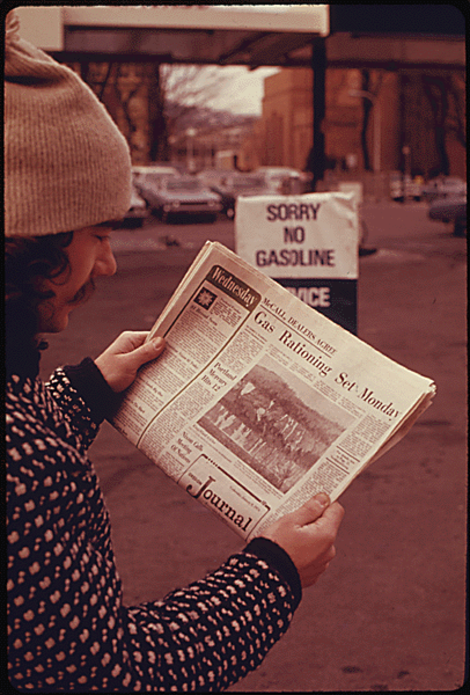
Are
you doing your part to
prevent Climate Change and End America's
Reliance on Foreign Energy?
Carbon
Dioxide Emissions
www.CarbonDioxideEmissions.com
Carbon Emissions
www.CarbonEmissions.com
Carbon Free Energy
www.CarbonFreeEnergy.com
Clean Power Generation
www.CleanPowerGeneration.com
Distributed
PV
www.DistributedPV.com
Distributed
Solar Generation
www.DistributedSolarGeneration.com
Greenhouse Gas Emissions
www.GreenhouseGasEmissions.com
Pollution
Free Power
www.PollutionFreePower.com
Rooftop
PV
www.RooftopPV.com
Our
solar energy systems and Solar
Power Parks will;
* forever change the way energy is generated and used.
* eliminate or greatly reduce our customer's electric demand charges and electric expenses.
* slow, stop and eventually reverse climate change by reducing and then
eliminating anthropogenic greenhouse
gas emissions - of which carbon
dioxide emissions makes up 80% of all greenhouse
gas emissions.
* reduce and eventually eliminate the use of coal and other fossil fuels.
*
reduce the need for inefficient and expensive central power plants owned by
utility companies.
* promote energy independence.
* end America's dependence on oil from OPEC and other countries in the Middle-East, Venezuela and end our need for importing natural gas from Russia.
____________________________________________________________________________________
We support the Renewable Energy Institute by donating a portion of our profits to the Renewable Energy Institute in their efforts to reduce fossil fuel use through renewable energy and their goals to end pollution from Carbon Dioxide Emissions and Greenhouse Gas Emissions.
The Renewable Energy Institute is "Changing The Way The World Makes and Uses Energy by Providing Research & Development, Funding and Resources That Create Pollution Free Power, Carbon Free Energy & Renewable Energy Technologies."


www.RenewableEnergyInstitute.org
Email: info(@)Renewable Energy Institute (.)org
The information contained on this site is
copyright protected and
cannot be
reproduced in any form or manner without our consent.
Sustainable
Building Solutions
www.SustainableBuildingSolutions.com
info@SustainableBuildingSolutions.com
Renewable Energy Institute
© Copyright 2005 – 2010
All Rights Reserved
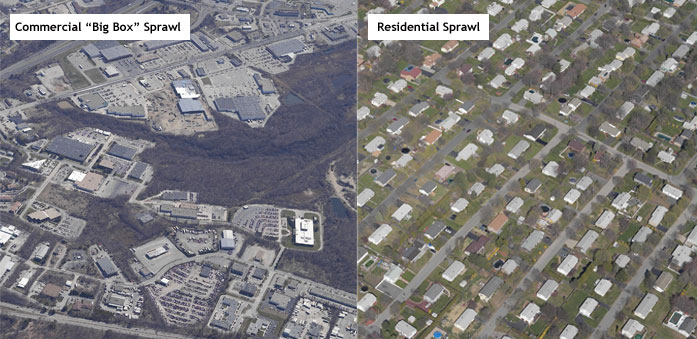
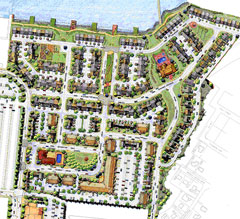
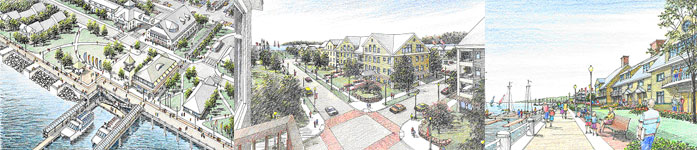
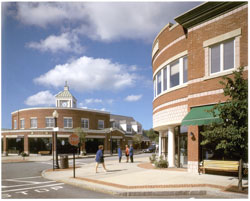 While
While
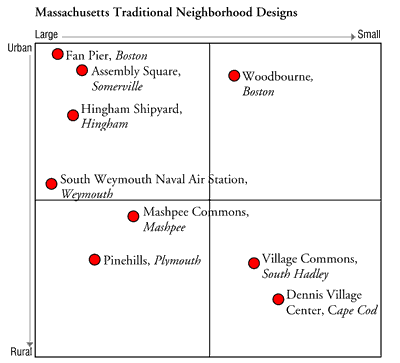 What
should your town look for to create a
What
should your town look for to create a